January 23, 2026
Understanding hearing health is essential for individuals working in environments where loud machinery, tools, and equipment are part of daily operations. Jobs in construction, manufacturing, aviation, landscaping, emergency services, and industrial settings frequently expose workers to sound levels capable of damaging delicate structures within the inner ear. Many workers are unaware that hearing damage can begin subtly, long before noticeable symptoms arise. This is why professional evaluations play a critical role in prevention. One of the most effective tools for identifying early signs of noise-related hearing impairment is the audiometry test. When performed regularly, an audiometry test can detect changes in hearing thresholds before permanent damage occurs, empowering workers to take appropriate measures and preserve their long-term hearing health.
According to the Hearing Loss Association of America, roughly 30 million workers across the United States are exposed to harmful noise levels that can ultimately result in lifelong hearing problems. This widespread issue emphasizes the urgency of early detection, ongoing monitoring, and professional hearing evaluations. By understanding how an audiometry test works and why it is so valuable for those in high-noise occupations, workers and employers alike can take proactive steps toward better auditory protection.
Recognizing How Noise Exposure Creates Early Hearing Risks
Before understanding how an audiometry test identifies early damage, it is helpful to know why noisy workplaces pose such serious risks. Repeated exposure to loud sounds causes stress on tiny hair cells located inside the cochlea. These hair cells convert sound vibrations into signals the brain can interpret, but they are extremely fragile and cannot regenerate once destroyed. As a result, noise-induced hearing damage accumulates gradually.
Workers in loud industries often experience continuous sound levels well above the recommended safety limits. Over time, early hearing damage may begin with subtle issues—like difficulty understanding speech in crowded spaces, muffled sounds, or ringing in the ears. Unfortunately, these early signs are easy to ignore. Because there is usually no pain involved, many workers do not realize that small changes in hearing sensitivity may indicate the beginning of permanent loss.
This is where the audiometry test becomes essential. By evaluating hearing across multiple frequencies, the test can detect decreases in sensitivity that workers may not consciously recognize yet. Identifying these early changes allows healthcare professionals to recommend protective strategies that can prevent worsening damage.
Understanding Why Early Detection Protects Long-Term Hearing
The earlier hearing damage is identified, the greater the chance of preventing further deterioration. Many forms of noise-induced hearing loss are permanent, but timely detection can significantly limit progression. An audiometry test, performed regularly, serves as a baseline measurement of hearing capability. With each subsequent evaluation, professionals can compare results to determine whether any new decline has occurred.
This process is especially important for individuals in high-noise environments. Early detection through an audiometry test makes it possible to adjust workplace protection measures promptly, such as improving hearing protection devices, modifying workstations, or implementing quiet zones. Without such insights, workers may unknowingly continue exposing themselves to dangerous noise levels that worsen their condition.
Professional monitoring also provides valuable documentation. If a worker’s hearing loss is associated with job-related exposure, having detailed audiometric records can be crucial for workplace safety compliance and health evaluations.
Considering How Audiometry Testing Works in a Clinical Setting
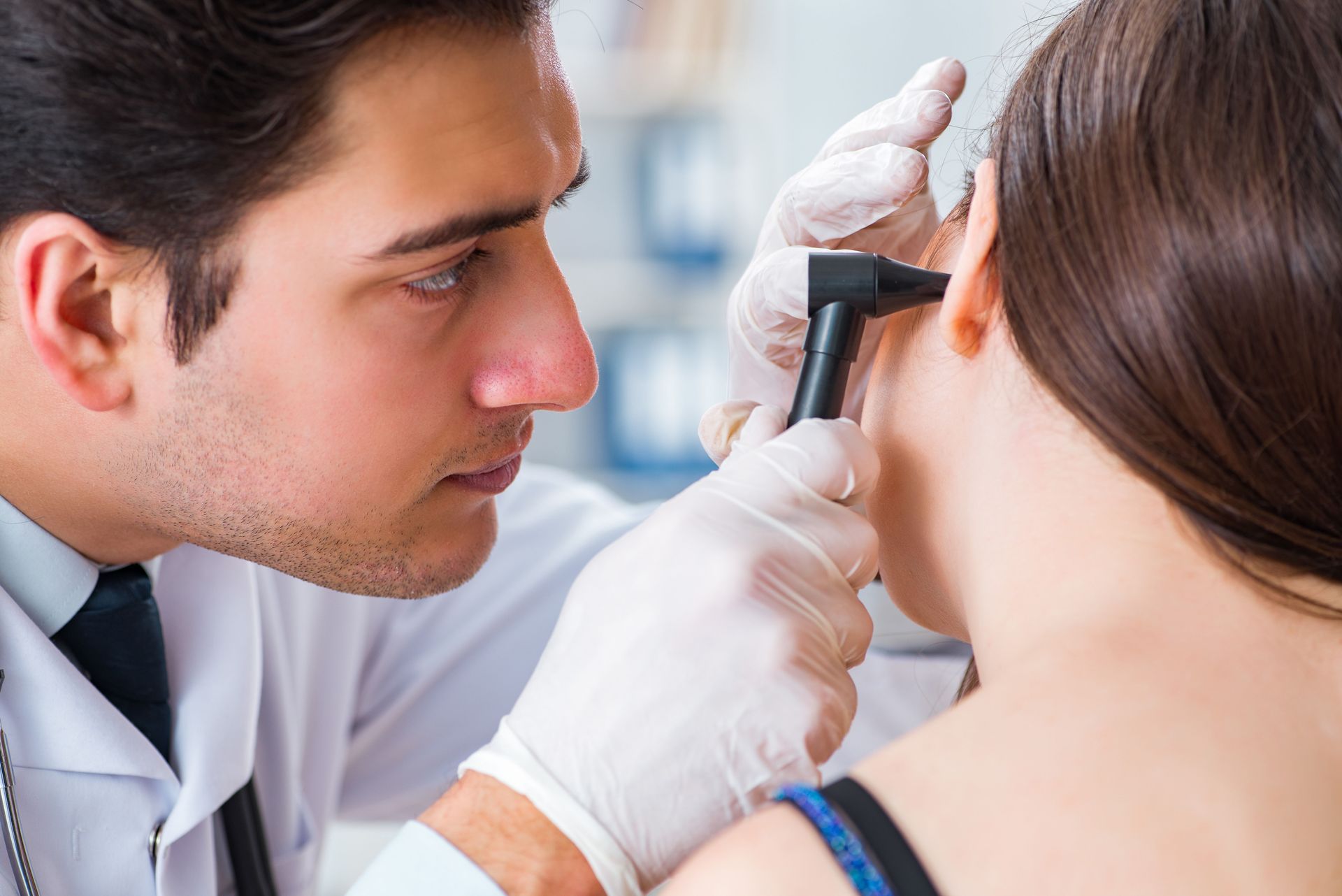
An audiometry test is a straightforward, noninvasive evaluation performed by trained hearing professionals. The procedure typically takes place in a quiet, controlled environment to ensure accurate results. Test participants wear specialized headphones and respond to a sequence of tones played at varying frequencies and volumes. The goal is to determine the softest sound the individual can detect at each frequency, revealing how well the ear is functioning.
The results are charted on an audiogram—a visual representation of hearing sensitivity. Even slight shifts in thresholds can signal early-stage hearing damage caused by workplace noise. Because the audiometry test measures hearing with precision, it allows professionals to pinpoint the specific frequencies where deterioration begins. This level of detail is critical because noise-related damage often affects high-frequency hearing first, long before lower frequencies are impacted.
Many workers report feeling surprised when an audiometry test reveals a subtle loss they had not yet noticed. This reinforces the importance of testing, as self-assessment alone is not reliable for detecting early damage.
Recognizing the Types of Noisy Jobs That Require Regular Testing
Certain occupations expose employees to dangerously high sound levels day after day. While federal guidelines outline permissible exposure limits, many real-world work environments exceed these thresholds. Noisy conditions may stem from heavy machinery, power tools, engines, sirens, pneumatic devices, or manufacturing equipment.
Industries where routine audiometry testing is highly recommended include:
- Construction and demolition
- Manufacturing and factory operations
- Aviation and airport ground crews
- Emergency responders and law enforcement
- Landscaping and forestry work
- Mining and drilling operations
- Metalworking, welding, and fabrication
In each of these professions, noise exposure is a daily reality. Even with high-quality ear protection, some sound still reaches the inner ear, which is why professional monitoring through an audiometry test is essential.
Identifying Signs That Workers Should Schedule a Hearing Evaluation
While hearing tests should be performed regularly for workers in noisy environments, there are specific warning signs that should prompt immediate evaluation. These symptoms often indicate early damage and may worsen without professional attention.
Common indicators include:
- A feeling of clogged or muffled hearing
- Ringing, buzzing, or whistling sounds in the ears
- Sensitivity to certain loud noises
- Difficulty identifying where sounds originate
Because these symptoms can be subtle at first, workers may dismiss them as temporary or insignificant. However, an audiometry test can clarify whether these changes reflect actual hearing decline.
Emphasizing the Importance of Workplace Hearing Conservation Programs
Many employers implement hearing conservation programs to safeguard the health of their employees. These programs are especially critical in industries where high noise levels cannot be fully eliminated. A robust hearing conservation plan typically includes protective equipment, training, and—most importantly—routine audiometry testing.
By integrating an audiometry test into ongoing safety practices, companies can:
- Document changes in employee hearing over time
- Improve safety compliance
- Reduce the risk of long-term injury claims
- Ensure employees remain fully aware of their hearing health
Workers benefit from early intervention, while employers gain valuable insight into the effectiveness of workplace noise-reduction efforts.
Highlighting How Professional Guidance Improves Hearing Protection
Even when workers use hearing protection, incorrect usage can significantly reduce effectiveness. Fit, positioning, seal quality, and device type all affect how well protective equipment works. Through the audiometry test process, hearing specialists can provide guidance based on actual hearing results.
Professionals may recommend modified protection strategies, new devices, or personalized solutions that offer greater noise reduction. These tailored recommendations are far more effective than guessing or relying on standard equipment alone.
Encouraging Workers to Prioritize Routine Testing for Lifelong Hearing Health
Hearing is vital to communication, safety, and overall well-being. Once damaged, it cannot be restored through natural healing. Therefore, routine audiometry testing should be viewed as an essential part of preventive health care, especially for those in noisy jobs.
Frequent evaluations help workers stay aware of their auditory health, recognize risks early, and make informed decisions about protection methods. Incorporating regular audiometry test appointments into an annual health routine can make a substantial difference in long-term hearing preservation.
Protect Your Hearing With Professional Support
Early detection is one of the most powerful tools in preventing long-term noise-induced hearing loss. A professional audiometry test provides clear insight into your current hearing health and ensures you can take action before minor issues become permanent problems.
For reliable, compassionate hearing care, schedule your evaluation with Chappell Hearing Care Centers. Our experienced team provides comprehensive hearing assessments, personalized recommendations, and ongoing support for individuals exposed to loud workplaces. Contact Chappell Hearing Care Centers today to protect your hearing and prioritize your long-term well-being.