January 22, 2026
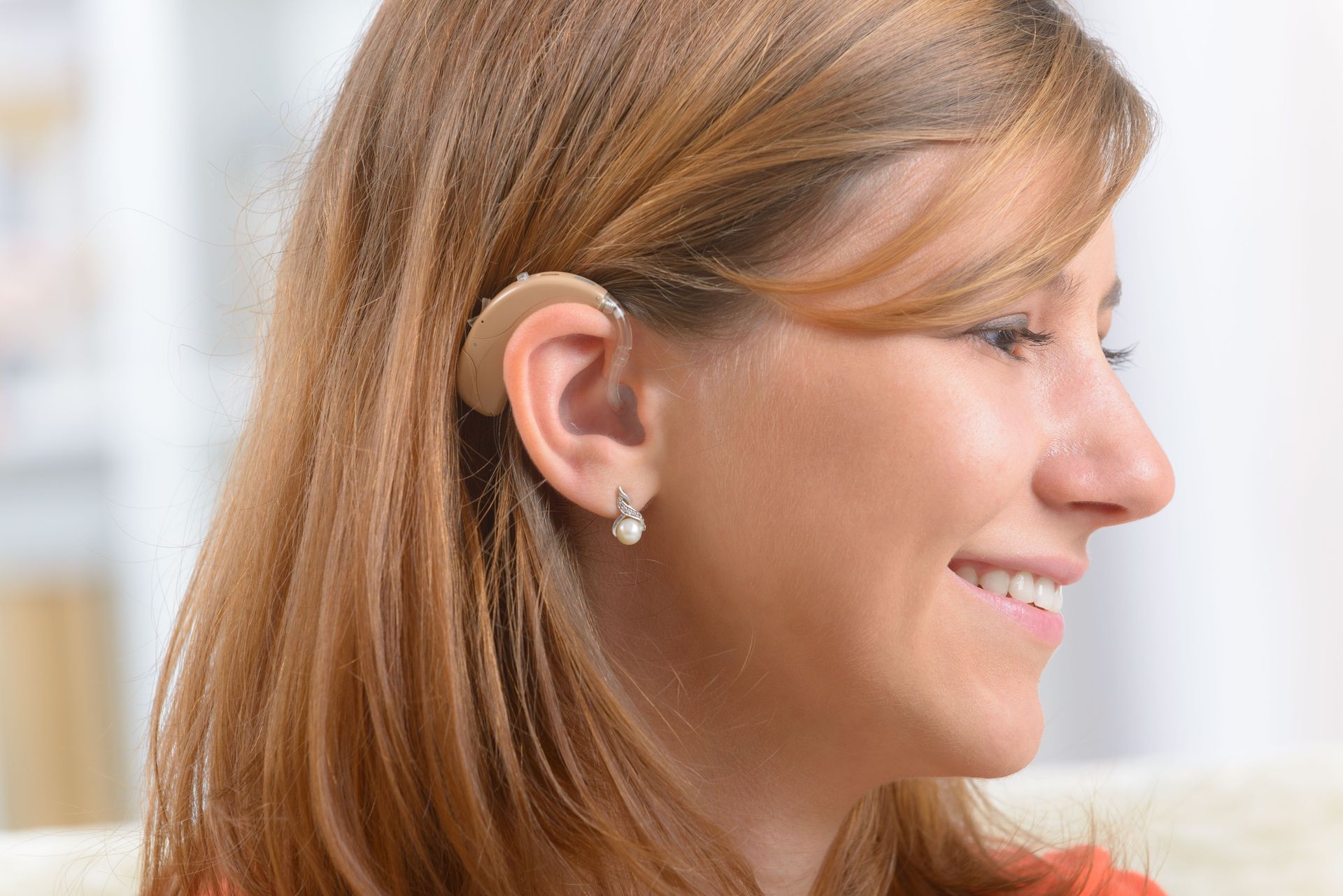
Hearing aids are vital tools for millions of people, facilitating better communication and connectivity to others. A good hearing aid not only amplifies sound but also improves the quality of life by helping users participate more actively in social interactions. Keeping these devices in optimal condition is essential, making it important to recognize when repairs are needed for the best possible performance. Recognizing the signs that indicate the necessity for maintenance or repair can prevent deterioration in function. There are various indicators to note when hearing aid repairs should be considered, and addressing them promptly is crucial for user satisfaction.
1. Poor Sound Quality
Sound quality is a key indicator of a hearing aid’s condition. Distorted or muffled sounds often signal issues such as internal wear or wax buildup in the microphone or speaker. Addressing these problems promptly helps maintain performance and extend the device’s lifespan, while delaying hearing aid repairs can lead to further damage or reduced hearing effectiveness.
Frequent static, feedback, or buzzing noises are also common warning signs. These issues may stem from electronic interference or physical damage and can be uncomfortable and disruptive to daily life. If left unaddressed, they can make listening less reliable and increase frustration during conversations. Adjusting settings or seeking professional repair can restore clear, natural sound and prevent the problem from worsening.
Inconsistent volume levels or reduced clarity may indicate component malfunctions that require professional attention. Difficulty hearing certain frequencies or sudden volume changes should not be ignored, as early hearing aid repairs can prevent further performance decline. Prompt maintenance provides reliable sound quality and continued confidence in everyday listening situations.
2. Physical Damage to the Device
Physical damage is a clear sign that hearing aid repairs are critical. Cracks or damage to the casing can affect performance and expose internal components to moisture or debris, leading to further issues. Even minor damage should be addressed quickly, as early inspection and professional evaluation can prevent more costly hearing aid repairs later.
Loose or broken internal parts are another common problem caused by normal wear and tear. When components shift or become dislodged, sound quality and connectivity can suffer. These issues can also affect the overall reliability of the device, making daily use frustrating or inconsistent. Having them repaired promptly helps preserve the hearing aid’s functionality and prevents additional damage.
Environmental exposure can also impact fit and performance. Heat or moisture may deform the device or damage the battery compartment, reducing comfort and reliability. Without proper cleaning and drying, these issues can worsen over time. Regular professional maintenance helps protect against environmental damage and provides consistent, effective performance.
3. Connectivity Issues
Many modern devices rely on Bluetooth connectivity, and difficulty connecting to devices can indicate a need for repair. These problems may result from software issues or damage to internal components responsible for wireless communication. When connectivity fails, it can disrupt daily activities and reduce overall satisfaction. Regular maintenance, including software updates and professional hearing aid repairs, helps promote reliable performance.
A noticeable decline in wireless streaming quality is another warning sign. Distorted, delayed, or inconsistent audio from connected devices often points to a malfunction within the hearing aid or its electronics. Over time, these issues can make it difficult to rely on the device for daily activities or conversations. Poor streaming can interfere with communication and everyday use, making timely troubleshooting or professional evaluation important.
Pairing issues with smartphones or other devices may also signal wireless component problems. While software updates can resolve some connectivity issues, ongoing difficulties often require professional attention. Consulting an expert will allow your hearing aids to remain compatible with current technology and continue to function effectively as devices evolve.
4. Battery Problems
Battery performance plays a critical role in a hearing aid’s effectiveness. Rapid battery depletion often signals aging components or charging issues that require attention. Frequent battery replacement or an inability to hold a charge may indicate problems with the battery itself or the device’s internal power system, making professional evaluation important.
Difficulty replacing batteries can also point to damage or wear in the battery compartment. A compromised compartment can interrupt daily use and cause unexpected shutdowns. If the compartment is not functioning correctly, it can also shorten the overall lifespan of the device. Checking that this component functions properly helps maintain reliability and reduces user frustration, and persistent issues should be addressed by a professional.
Rechargeable hearing aids may experience charging-related problems as well. Malfunctioning chargers or devices that fail to power on despite charging can disrupt consistent use. Regularly checking charging equipment and seeking professional repair when issues persist helps provide dependable performance and long-term usability.
5. Comfort and Fit Concerns
Comfort is an essential part of wearing a hearing aid, and ongoing discomfort often indicates the need for adjustment or repair. Irritation, pressure, or pain usually means the device is not fitting correctly or has shifted over time. Left unaddressed, these issues can make the device difficult to wear for long periods. A professional evaluation can determine whether hearing aid repairs, adjustments, or replacement components are needed to restore comfort.
Needing to constantly reposition a hearing aid is another common sign of fit issues. Frequent movement may result from wear, deformation, or loose components, all of which can reduce stability and user satisfaction. Professional refitting or repair helps secure the device properly, eliminating the need for ongoing adjustments and improving daily usability.
Some users may also experience itching or skin irritation caused by sensitivity to the device materials. Persistent reactions may require material changes or hypoallergenic components to reduce discomfort. If left unaddressed, these issues can make daily use unpleasant and may discourage consistent wear. Addressing comfort concerns early promotes regular use, better performance, and a more positive hearing experience overall.
6. Feedback From Others
Feedback from friends and family can offer valuable insight into device performance. Others may notice whistling, buzzing, or feedback sounds before the user does, signaling that hearing aid repairs or adjustments may be needed. Addressing these issues early through cleaning, realignment, or professional evaluation can prevent discomfort and reduce disruption for both the user and those nearby.
Another common sign of potential issues is when people frequently need to repeat themselves. About 48 million Americans experience hearing loss, according to the Center for Hearing and Communication, highlighting the importance of clear communication. Difficulty following conversations may indicate that the hearing aid is no longer amplifying sound effectively. Regular performance checks and professional assessments can restore clarity and reduce frustration during daily interactions.
Changes in behavior, such as appearing inattentive or unresponsive, may also point to hearing aid malfunctions. When these patterns persist, consulting a specialist is recommended. Proactively addressing concerns raised by others helps allow the device to continue to support clear communication and positive social interactions.
Regular maintenance and timely hearing aid repairs are crucial in promoting their optimal performance and longevity. Recognizing signs such as poor sound quality, physical damage, connectivity issues, battery problems, comfort concerns, and external feedback helps users address issues promptly. By taking immediate action, users prevent further damage, extend the life of their devices, and enhance their overall hearing experience. Regular consultations with professionals provide valuable insights into the optimal functioning of hearing aids, thereby preserving the quality of life and communication for users. Schedule your free consultation today with Chappell Hearing Care Centers and take the first step toward clearer hearing and a happier life.