November 5, 2026
Hearing plays an important role in everyday experiences, from conversations with loved ones to enjoying music, attending community events, and following discussions at work. When hearing becomes more challenging, the right assistive technology can help people stay connected to the activities and relationships that matter most. Choosing a suitable device involves more than comparing sizes or appearances. Comfort, listening needs, dexterity, and daily routines all influence which option may work best.
Modern hearing technology comes in several styles, each with its own design and practical considerations. Some devices sit behind the ear, while others fit partly or almost entirely inside the ear canal. Understanding these differences can help you have a more productive conversation with a hearing care professional and identify options that suit your preferences.
The best choice is not necessarily the smallest or most advanced model. It is the one that addresses your hearing needs, fits comfortably, and supports the environments you encounter regularly.
Understanding Your Everyday Listening Needs
Before comparing device styles, consider where hearing challenges affect you most. Someone who frequently attends meetings may prioritize clear speech in group settings, while another person may want to follow conversations at family gatherings, hear television more comfortably, or remain aware of sounds during outdoor activities.
Think about the environments you encounter throughout a typical week. Restaurants, busy workplaces, public transportation, and social gatherings can present different listening challenges from quiet conversations at home. Sharing these experiences with a hearing care professional can help guide recommendations toward technology and features suited to your routine.
According to NIH.gov, approximately 28% of adults older than 52 with moderate to severe hearing loss report challenges with everyday activities. This finding highlights how hearing difficulties can affect participation in ordinary routines, not just the ability to detect sound. A properly selected device may help address some of these challenges, although results vary by individual and listening environment.
It is also useful to consider your comfort preferences. Some people prefer devices that are easy to handle and adjust, while others value a discreet appearance. If you wear glasses, use a telephone frequently, or spend time in physically active settings, mention those details during your consultation. These practical considerations can influence which styles are worth exploring.
A hearing evaluation provides an important starting point because the degree and pattern of hearing loss affect which devices are appropriate. Your provider can also discuss your goals, explain realistic expectations, and identify features that may support the activities you value.
Comparing Behind-the-Ear Styles
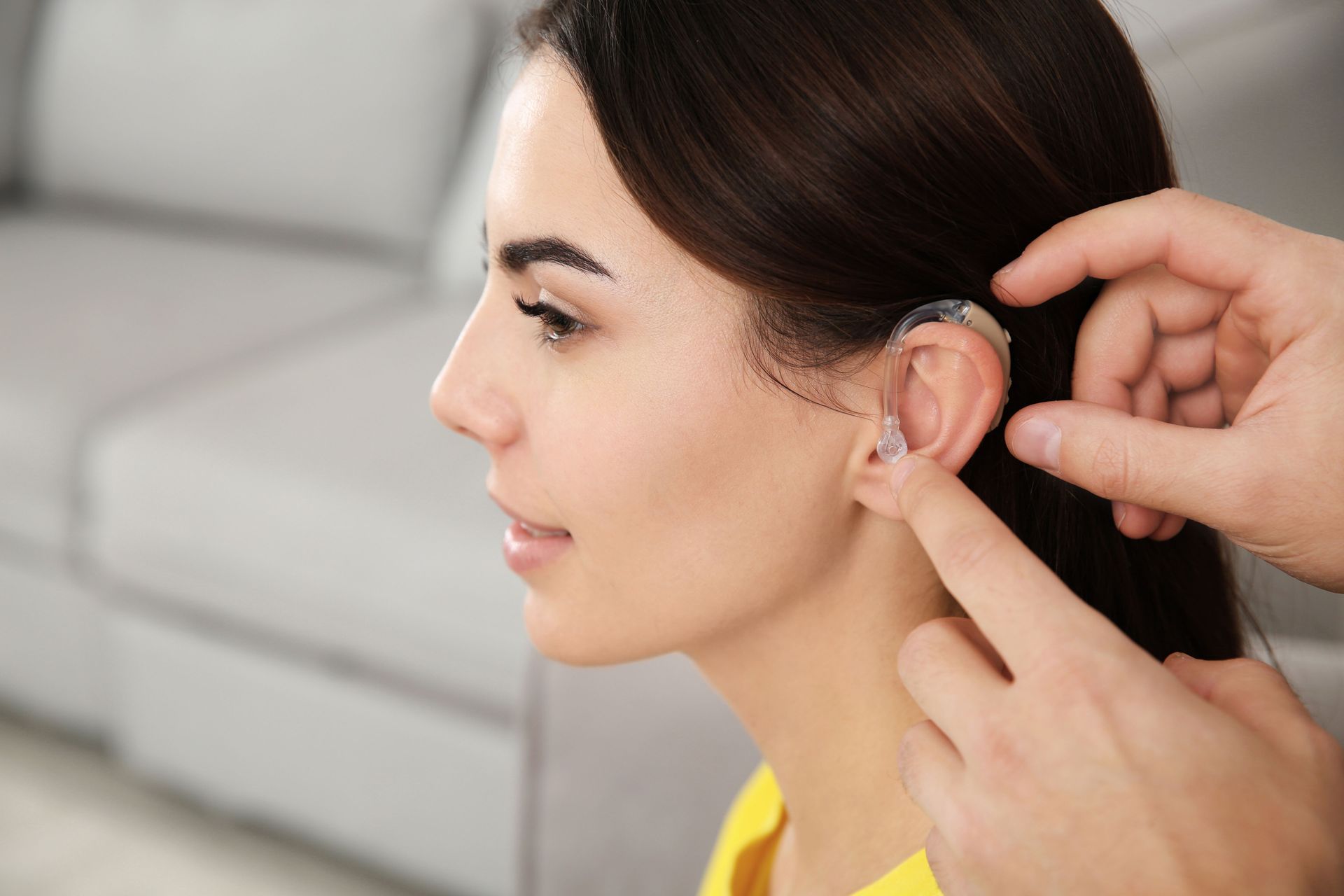
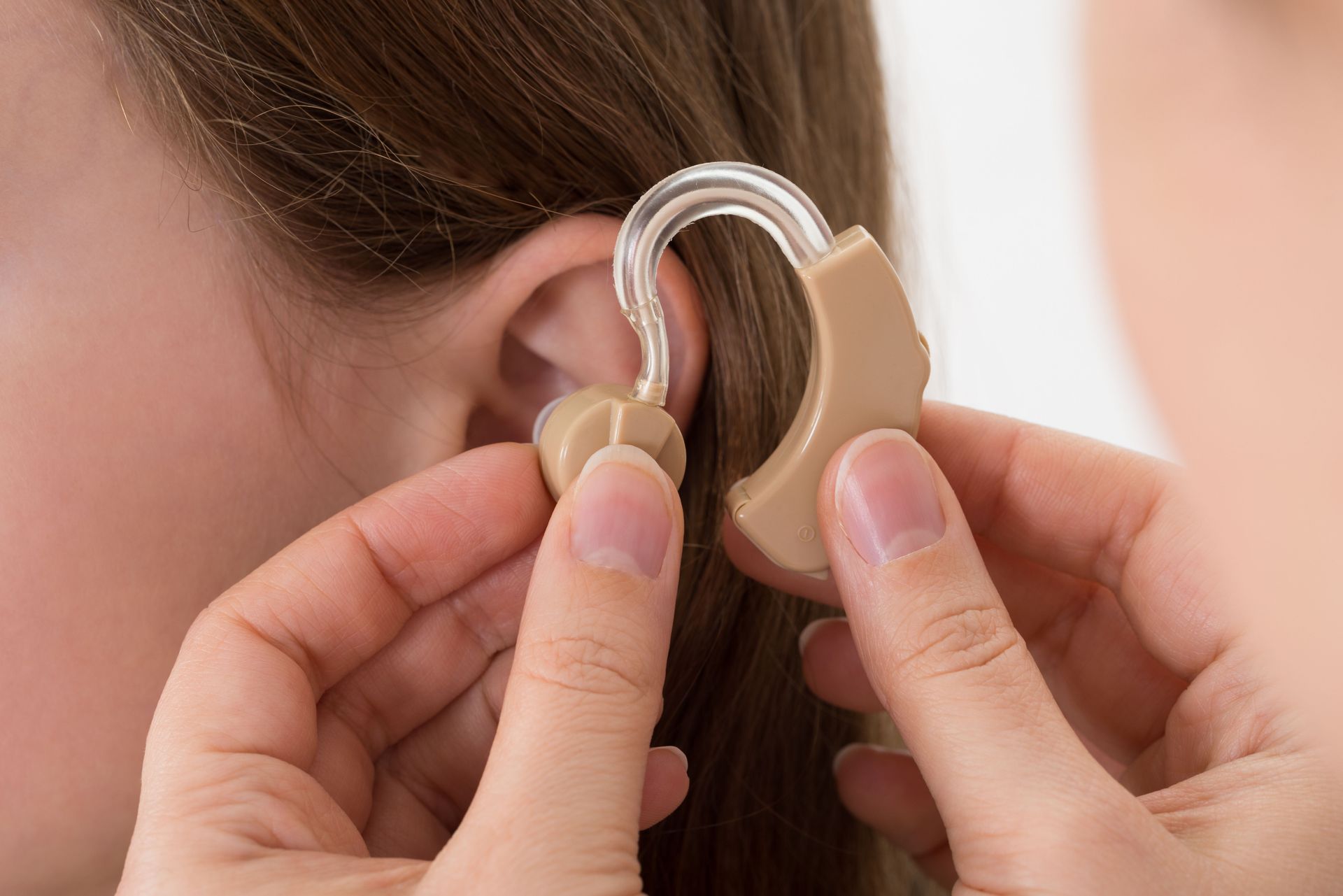
Behind-the-ear devices place the main electronic components in a casing that rests behind the outer ear. Sound travels through a small tube or receiver connection, depending on the design. These styles are available in different sizes and power levels, making them suitable for a range of hearing needs.
A traditional behind-the-ear model may be worth discussing if you want a design that is easier to hold, has controls that are relatively accessible, or can accommodate more substantial amplification. Some styles use a custom earmold, while others connect to a slim tube. Your hearing care professional can explain which arrangement fits your hearing profile and comfort preferences.
Receiver-in-canal models also sit behind the ear, but the speaker is positioned in the ear canal. Their casing is often smaller, and the receiver connection may feel less noticeable to some wearers. Depending on the model, these devices can offer useful features such as rechargeable batteries, wireless connectivity, and programs for different listening situations.
The right fit for a hearing aid depends on more than appearance. Consider how the device sits with glasses, hats, or other accessories, and whether you feel comfortable placing and removing it. A professional fitting allows you to assess comfort and learn how to handle and care for the equipment.
Comparing In-the-Ear Styles
In-the-ear devices are custom-made to fit part or all of the outer ear. Because their components sit inside the ear rather than behind it, some people prefer them for their appearance or for compatibility with certain accessories. The amount of space available for technology depends on the individual’s ear shape and the selected design.
Larger in-the-ear models may offer controls that are easier to manage than those on very small devices. Smaller styles can be less visible, but their size may make them harder to insert, remove, or adjust. Battery access, cleaning, and the ability to handle tiny components are important considerations, especially for people with limited finger dexterity or vision.
Completely-in-canal and invisible-in-canal designs sit farther inside the ear canal and are often selected by people who prioritize discretion. However, these styles are not suitable for everyone. The degree of hearing loss, ear anatomy, comfort, and desired features can limit the available choices. Small devices may also have fewer physical controls or connectivity options than larger models.
An in-person assessment helps determine whether an in-the-ear hearing aid design is appropriate. Your provider can discuss the benefits and trade-offs without assuming that a less visible device is automatically the best choice.
Considering Features for Daily Activities
Style is only one part of choosing a hearing aid. Features can influence how useful a device feels throughout the day. Directional microphones may help emphasize sounds coming from a particular direction in some settings, while noise-management features can make certain listening environments more comfortable. Performance varies, and no device eliminates every source of background noise.
Bluetooth connectivity may allow compatible devices to stream phone calls, television audio, or other sound directly. Rechargeable models can reduce the need to handle small disposable batteries, while manual controls or companion apps may offer ways to adjust settings. Ask which features are compatible with your phone and other equipment before making a decision.
Consider your typical schedule as well. If you spend time outdoors, ask about durability and care requirements. If you attend social events, discuss programs designed for conversations in noisier spaces. People who use phones frequently may want to explore how different models handle calls. These details help connect technology choices to real situations rather than features you may rarely use.
A hearing aid should be selected with professional guidance, then adjusted as you learn how it performs in your everyday environments. Follow-up appointments can address fit, sound quality, and questions that emerge after regular use.
Matching Comfort, Maintenance, and Budget
Comfort is essential because even advanced technology is less useful if a hearing aid feels uncomfortable or is difficult to manage. During fitting, share any pressure, irritation, or handling concerns. Small adjustments to the fit or settings may improve the experience, and a provider can explain when a different style may be more appropriate.
Ask about routine maintenance, cleaning, moisture protection, repairs, and warranty coverage. Different hearing aid styles have different care needs, and regular professional follow-up can help keep the equipment working as intended. You should also understand what services are included after purchase and how to get support if your needs change.
Cost is another practical consideration. Prices can vary with technology, features, services, and provider policies. Rather than comparing price alone, ask what is included, whether follow-up care is provided, and which features are most relevant to your goals. Your provider can explain available options and help you weigh value against your budget.
Choosing a hearing aid is a process, not a one-time decision made from a product description. An appropriate evaluation, careful fitting, and follow-up support can help you find a style that fits your hearing needs and daily routines. For personalized guidance, contact Chappell Hearing Care Centers to schedule a consultation and explore hearing solutions suited to your lifestyle.