October 15, 2026
Choosing a hearing aid is an important investment in better communication and everyday quality of life. Getting the most from that investment requires more than selecting a device. Understanding your hearing needs, choosing the right features, and following proper care practices for hearing aid maintenance can help you feel more comfortable and confident with your hearing aid.
Understanding Your Hearing Needs
Getting the most from a hearing aid involves more than selecting a device. Understanding your hearing needs, comparing available options, and learning how to care for your device can make the transition easier and more rewarding. Working closely with an audiologist can help ensure the hearing aid fits your hearing profile, lifestyle, and communication needs.
Consulting with an Audiologist
An audiologist can evaluate the type and severity of hearing loss and recommend hearing aids that are appropriate for your needs. Professional guidance can also help you understand what different devices can and cannot do. This makes it easier to choose technology that supports your daily activities rather than simply selecting a device based on its features or appearance.
Identifying Your Hearing Needs
The severity and type of hearing loss play an important role in determining which hearing aid will work best. Mild, moderate, severe, and profound hearing loss may require different levels of amplification and different technologies. Your lifestyle also matters. Someone who regularly attends meetings or social gatherings may have different needs than someone who primarily wants clearer conversations at home.
Setting Realistic Expectations
Hearing aids amplify sound, but they do not restore normal hearing. Adjusting to amplified sound can take time, particularly for first-time users. Patience, follow-up appointments, and consistent use can make the adjustment process easier. Understanding this transition from the beginning can also help prevent unrealistic expectations.
Evaluating Hearing Aid Options
Comparing Available Models
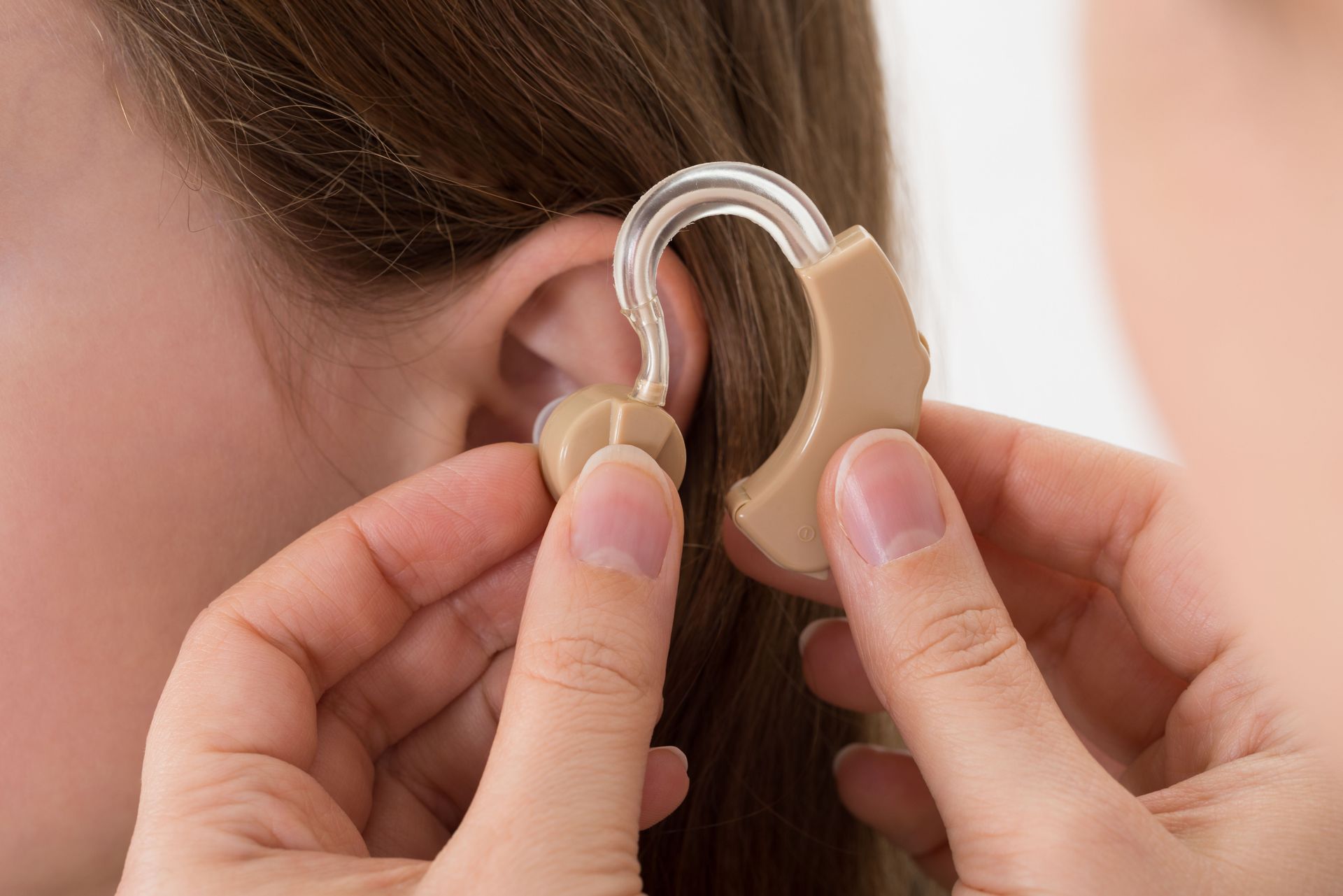
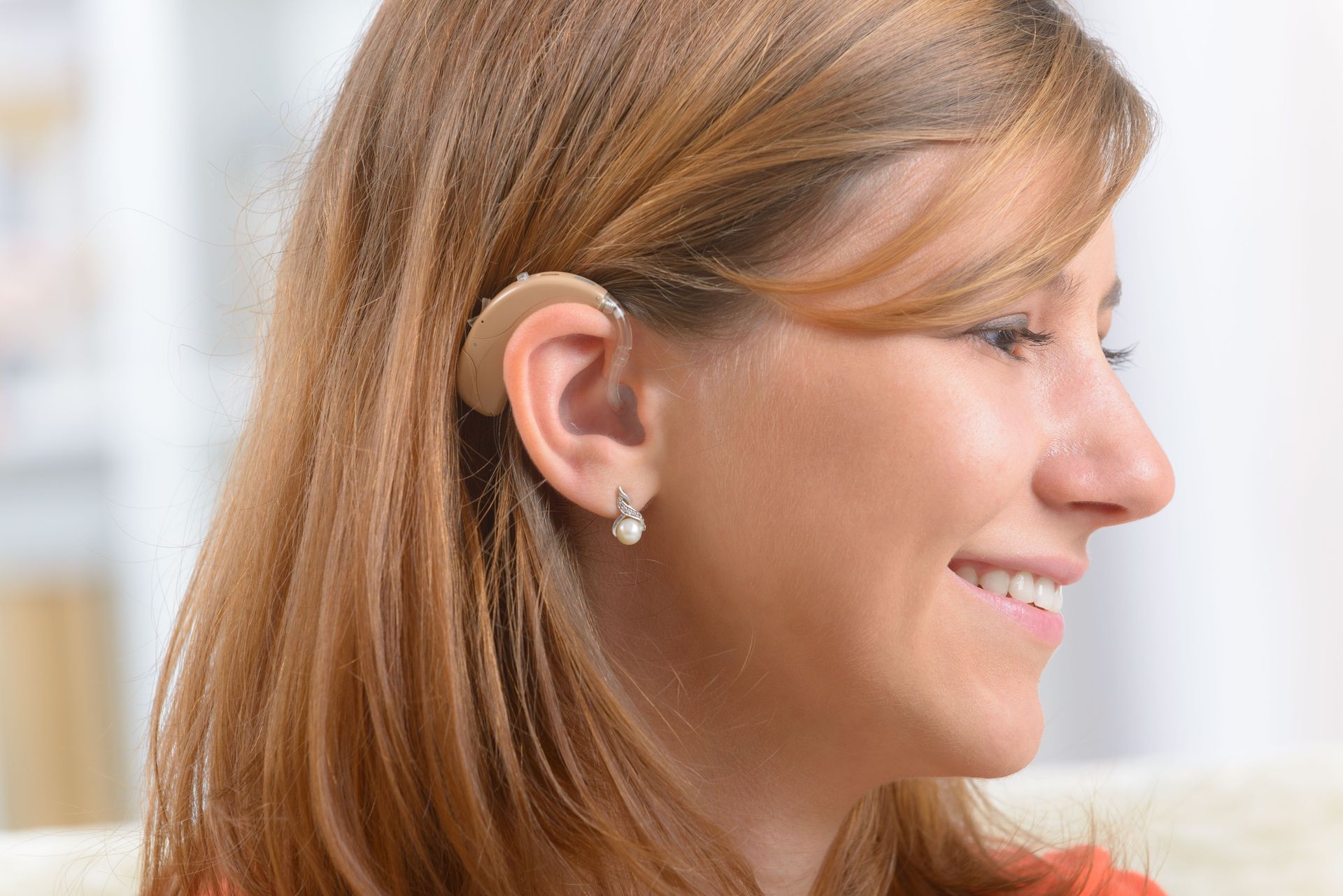
Hearing aids come in many styles, sizes, and technology levels. Behind-the-ear, in-the-ear, and completely-in-canal models each offer different benefits. Comparing comfort, sound processing, durability, battery life, and available support can help narrow the choices. An audiologist can also explain how different models may perform in the environments where you spend the most time.
Reviewing Important Features
Modern hearing aids can include noise reduction, feedback cancellation, wireless connectivity, rechargeable batteries, and automatic adjustments. However, more features are not always necessary for every user. Consider which functions address your specific needs and which ones provide meaningful value in everyday situations.
Considering Comfort and Appearance
Comfort and appearance can influence how consistently a person wears a hearing aid. A device that fits comfortably and feels natural to wear is more likely to become part of a daily routine. Size, color, controls, and placement can all affect the overall experience, so these factors should be considered alongside technical performance.
Reviewing User Experiences
Customer feedback and professional reviews can provide additional insight into how hearing aids perform outside a clinical setting. Long-term satisfaction is especially important because hearing aids are an ongoing investment. According to SeniorLiving.org's Hearing Loss Statistics and Data Report, about 87% of total hearing aid sales are attributed to device replacement rather than first-time purchases. Choosing a suitable device and caring for it properly can therefore have lasting value.
Navigating the Purchasing Process
Choosing a Reputable Provider
A knowledgeable provider can make the purchasing process much easier. Look for qualified professionals who provide personalized recommendations, fitting services, follow-up appointments, and ongoing support. Good after-sales service is particularly valuable when adjustments or repairs are needed.
Using Trial Periods
A trial period gives you an opportunity to evaluate how a hearing aid performs during everyday activities. Pay attention to comfort, speech clarity, sound quality, and performance in both quiet and noisy environments. Sharing your observations with your provider can help determine whether adjustments or a different model are needed.
Attending Fitting Appointments
Proper fitting is essential for comfortable and effective hearing aid use. An audiologist can adjust the device based on your hearing test results and personal feedback. Additional appointments may be necessary as you become accustomed to amplified sound or as your hearing needs change.
Reviewing Warranty and Return Policies
Understanding warranty coverage and return policies before purchasing provides additional protection. These policies may cover certain repairs, defects, or replacement needs for a specified period. Knowing what is included can make it easier to address problems without unexpected costs.
Maintaining Your Hearing Aid
Cleaning the Device Regularly
Regular cleaning is a key part of hearing aid maintenance. Earwax, moisture, and debris can interfere with microphones, receivers, and other components. Follow the cleaning instructions provided by your hearing care professional and use only recommended tools and products to avoid damaging delicate parts.
Storing the Device Properly
Proper storage protects a hearing aid from moisture, heat, and accidental damage. Keep the device in a safe, dry location when it is not being worn. Rechargeable models should be placed correctly in their charging stations, while disposable batteries should be stored appropriately and replaced when needed.
Checking Batteries and Charging
Consistent battery care is another important part of hearing aid maintenance. Keep replacement batteries available if your device uses disposable ones, or establish a regular charging routine for rechargeable models. Monitoring battery performance can help prevent unexpected interruptions during important conversations or activities.
Scheduling Professional Check-Ups
Routine appointments allow an audiologist to inspect, clean, recalibrate, and troubleshoot your device. These visits can also identify changes in your hearing that may require adjustments. Professional care complements daily hearing aid maintenance and can help keep the device performing properly.
Addressing Problems Promptly
Feedback, distortion, weak sound, and connectivity problems should not be ignored. Cleaning the device or checking its power source may resolve some minor issues, but persistent problems may require professional attention. Addressing problems early can help prevent a small issue from becoming a larger repair.
Getting More From Daily Hearing Aid Use
Practicing in Different Environments
Using a hearing aid consistently can help you become more comfortable with amplified sound. Practice listening in different environments, including quiet rooms, conversations with small groups, and busier public spaces. Over time, you can learn which settings or features work best in different situations.
Using Connectivity Features
Many modern hearing aids can connect wirelessly to smartphones and other compatible devices. Streaming calls, music, or other audio directly through the hearing aids may improve convenience. Learning how these features work can help you take greater advantage of your device.
Communicating Your Needs
Family members and friends can make communication easier when they understand your hearing needs. Let them know when you have difficulty following a conversation and explain which communication strategies work best. Open communication can reduce frustration and make social interactions more comfortable.
Following a Consistent Care Routine
A consistent routine helps protect your investment and supports reliable performance. Combining regular cleaning, safe storage, battery care, professional appointments, and other hearing aid maintenance practices can reduce avoidable problems. Good habits also make it easier to recognize changes in performance and seek assistance when necessary.
Making Your Hearing Aid Investment Last
Monitoring Performance Over Time
Your hearing needs and technology can change over time. Pay attention to changes in clarity, comfort, battery performance, or connectivity. Discuss noticeable changes with your audiologist so the device can be adjusted or evaluated when appropriate.
Keeping Up With Professional Care
Professional follow-up remains important even when a hearing aid appears to be working normally. Audiologists can provide adjustments, cleaning, troubleshooting, and guidance that support long-term performance. Combining professional care with daily hearing aid maintenance can help extend the useful life of your device.
Choosing Ongoing Hearing Support
The right hearing care provider can support you beyond the initial purchase. Chappell Hearing Care Centers can help individuals understand their hearing needs, select appropriate technology, and receive ongoing support for comfortable, effective hearing aid use. With professional guidance and consistent care, a hearing aid can become a dependable part of everyday communication.