July 22, 2026
Hearing changes can affect conversations, work, relationships, safety, and overall confidence. When sounds become harder to understand, many people first look for a fast or inexpensive solution. Online devices, basic amplifiers, and other quick fixes may seem convenient, especially when they promise immediate improvement without an appointment. However, hearing difficulties are not always simple, and the wrong solution may leave important needs unaddressed. Professional hearing services offer a more complete approach by combining testing, personalized recommendations, careful fitting, education, and follow-up support. Understanding the difference between professional care and temporary solutions can help individuals make choices that support clearer communication and long-term hearing health.
Evaluating Hearing Needs Accurately
Quick fixes often begin without a complete understanding of the hearing problem. A person may purchase an amplifier because speech sounds faint, but that device cannot explain whether the difficulty comes from age-related hearing loss, earwax buildup, middle ear concerns, noise exposure, or another condition. Without proper evaluation, it is easy to treat the symptom rather than understand the cause. This may delay more appropriate care and make it harder to judge whether the device is actually helping.
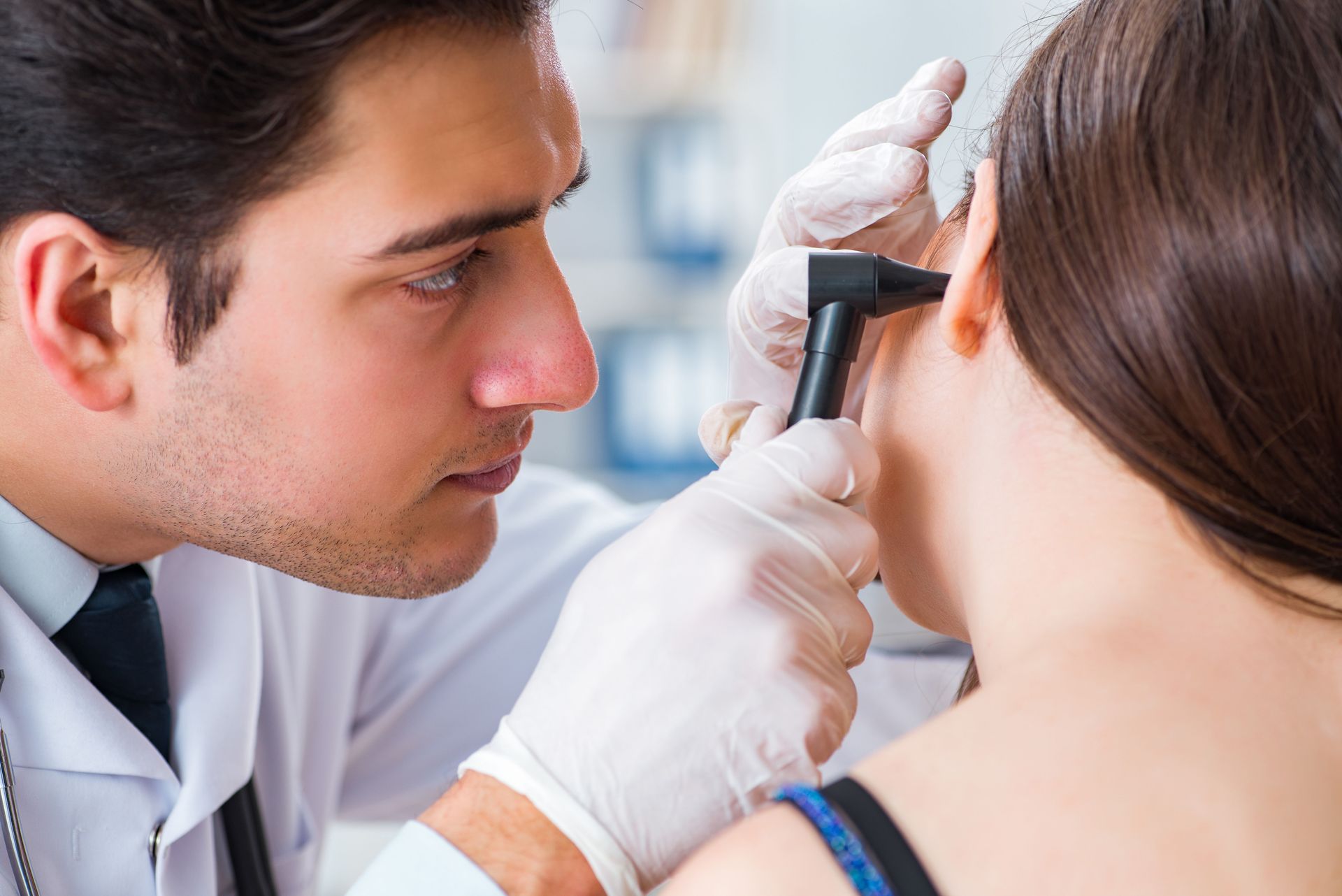
Professional hearing services begin with a detailed assessment. Testing can measure how well a person hears different pitches and volumes, how clearly speech is understood, and whether one ear performs differently from the other. These results provide a clearer picture of the individual's needs. Accurate information makes it possible to recommend technology, communication strategies, or referrals that fit the situation instead of relying on guesswork.
Matching Technology to Individual Needs
Basic amplifiers generally increase the volume of all surrounding sounds. This may make speech louder, but it can also make background noise, dishes, traffic, and other unwanted sounds more noticeable. People with hearing loss often need more than additional volume because certain frequencies may be harder to hear than others. A one-size-fits-all product cannot account for differences in hearing levels, ear shape, lifestyle, or communication priorities.
Professionally recommended devices can be selected and programmed around the user's hearing test. Features may be adjusted to support conversations, television listening, work environments, phone use, or busy public spaces. The goal is not simply to make everything louder but to improve access to important sounds while keeping listening comfortable. Personalized technology can provide a more useful and natural experience than a generic device purchased without guidance.
Improving Comfort Through Proper Fitting
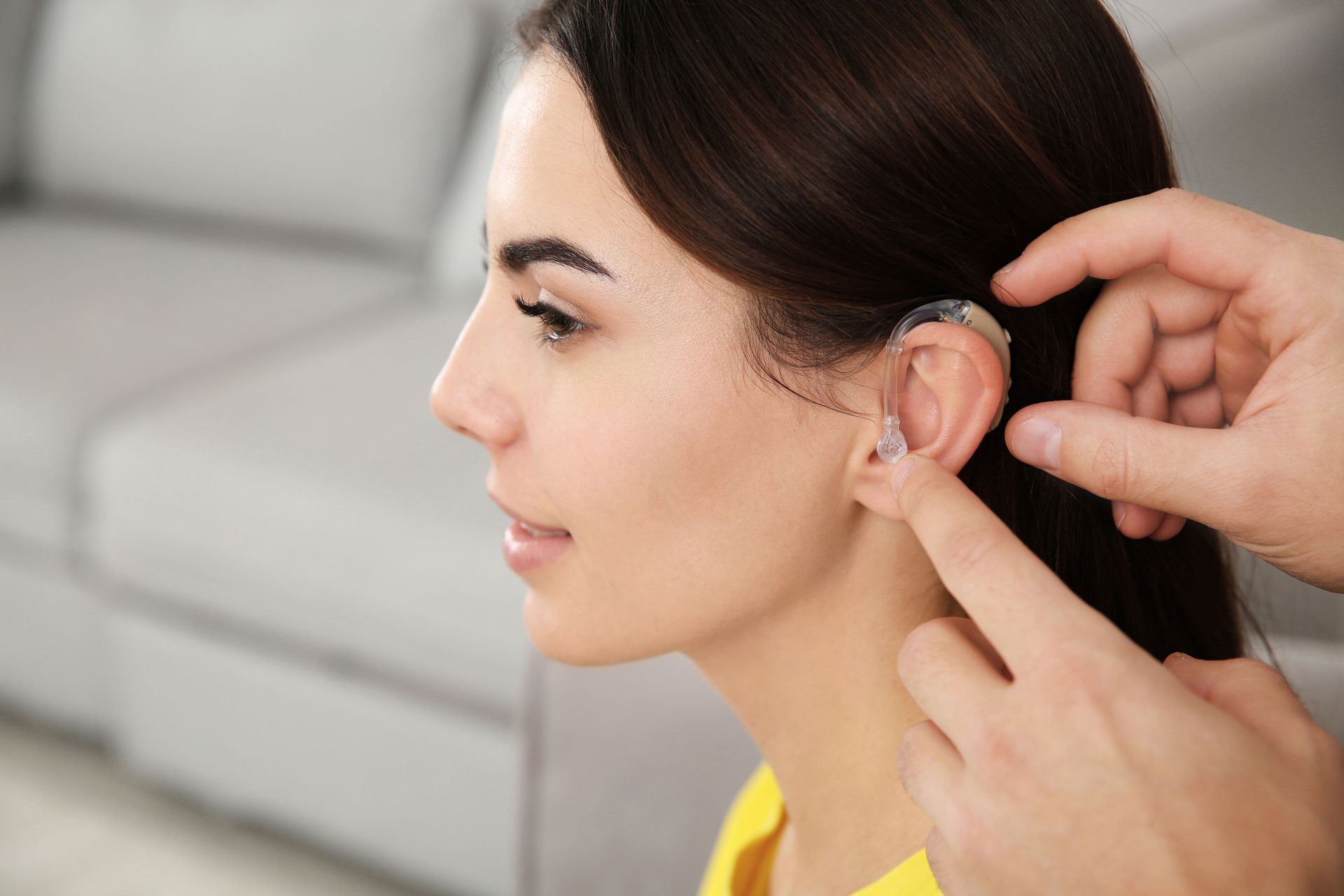
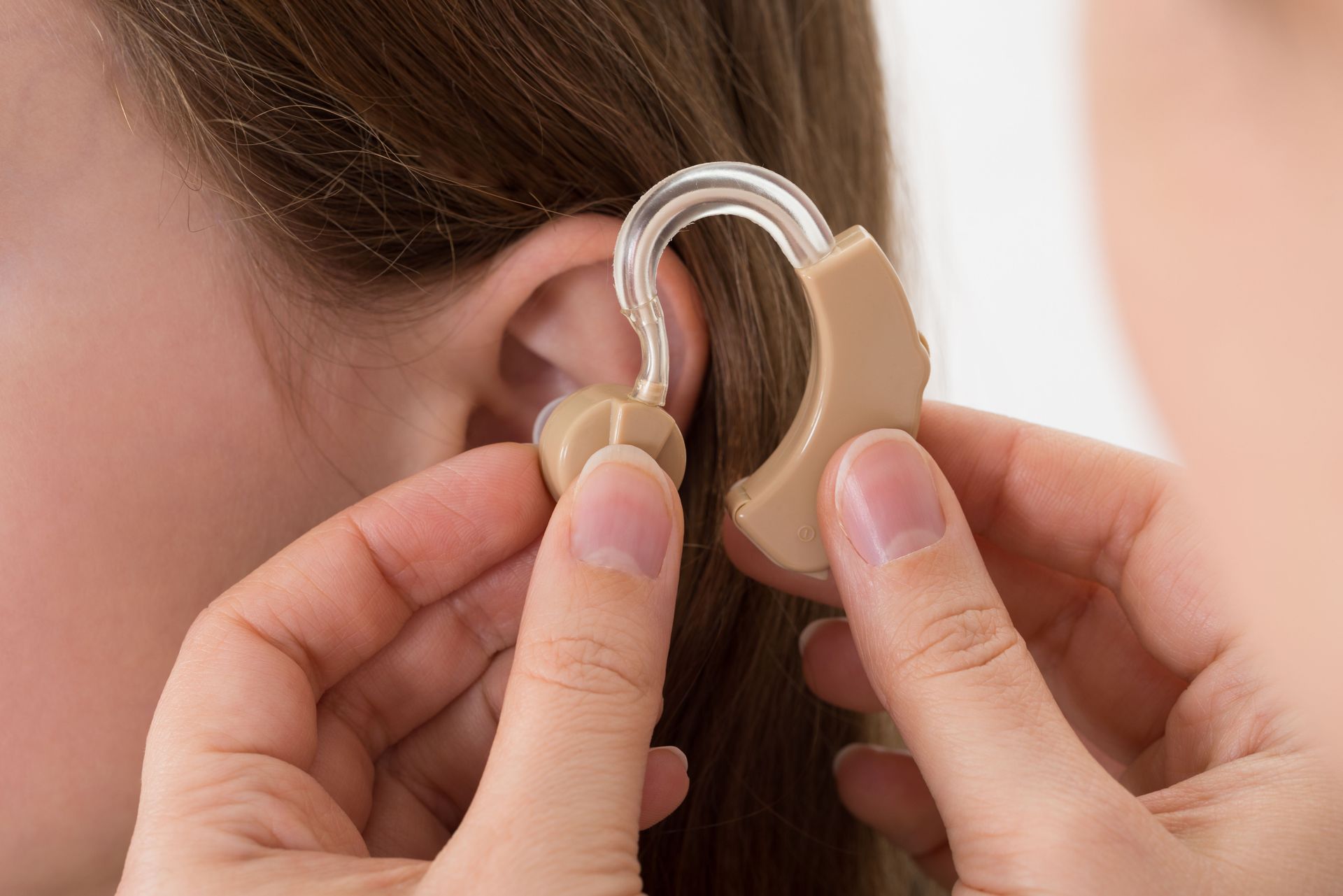
A hearing device that does not fit correctly can cause soreness, pressure, feedback, slipping, or irritation. Professional hearing services help ensure devices fit comfortably and function as intended. Some users stop wearing quick-fix products because they feel uncomfortable or interfere with glasses, masks, or daily movement. Poor fit may also affect sound quality by allowing the device to move or preventing it from sitting correctly in or around the ear. Even a device with useful features may provide limited value when it cannot be worn consistently.
Professional fitting considers the shape of the ear, the device style, and the user's comfort. Small adjustments can improve stability, reduce feedback, and make the device easier to wear throughout the day. Hearing professionals can also explain how to insert, remove, clean, and store the equipment properly. This support helps users become comfortable with the device and gives them a better chance of benefiting from it consistently.
Supporting Clearer Speech Understanding
Many people with hearing difficulties report that they can hear sounds but cannot understand words clearly. Increasing volume alone may not solve this problem. Speech includes a wide range of pitches, and some consonants are softer or higher in frequency than others. If a device amplifies everything equally, voices may sound louder without becoming easier to understand, particularly when several people are speaking or background noise is present.
Professional hearing services can address speech clarity by using test results to shape amplification more precisely. Settings may be adjusted to emphasize the frequencies needed for understanding while controlling uncomfortable loudness. Directional microphones, noise-management features, and other options may also help in challenging environments. These adjustments can make conversations less tiring and help users participate more confidently in social, family, and professional settings.
Providing Ongoing Adjustments and Support
Quick fixes are often sold as stand-alone products, leaving users to solve problems on their own. If the device whistles, feels too loud, becomes difficult to clean, or does not perform well in certain settings, there may be little support available. Frustration can lead people to stop using the product, even if some form of hearing technology could have helped with proper adjustments and guidance.
Professional care includes follow-up appointments that allow settings and fit to be refined over time. As users gain experience, they may notice that certain situations require additional changes. Hearing may also shift, and devices can require maintenance or updated programming. Ongoing support gives users a place to ask questions, solve problems, and keep their technology performing as effectively as possible.
Protecting Long-Term Hearing Health
Hearing loss can develop gradually, and people may adjust their routines without realizing how much communication has changed. They may turn up the television, avoid group conversations, or rely on family members to repeat information. According to NIH.gov, approximately 37.5 million adults in the United States (15%) experience hearing loss significant enough to benefit from hearing aids. This widespread issue deserves careful evaluation rather than a temporary response.
Routine hearing services create an opportunity to monitor changes over time. Updated testing can show whether hearing has remained stable or whether new adjustments are needed. Professionals can also discuss hearing protection, safe listening habits, and communication strategies that support daily life. Long-term care helps individuals respond proactively instead of waiting until hearing difficulties interfere more seriously with relationships, work, or independence.
Addressing Lifestyle and Communication Goals
Hearing needs differ from one person to another. Someone who spends most of the day in quiet settings may have different priorities from a teacher, musician, healthcare worker, frequent traveler, or person who regularly attends large gatherings. Quick-fix devices are not designed around these differences, which may limit how well they perform in the situations that matter most to the user.
Professional care includes discussions about routines, environments, and communication goals. This information can guide device selection, programming, accessories, and practical listening strategies. A hearing professional may suggest ways to improve conversations at home, reduce background noise, or use connectivity features with phones and televisions. Tailoring care to real-life needs makes the solution more relevant and easier to use consistently.
Reducing the Cost of Repeated Quick Fixes
A low-cost device may seem like a practical starting point, but repeated purchases can add up. Users may try several amplifiers, replacement parts, or accessories before finding that none of them address the actual problem. Devices that are uncomfortable, difficult to maintain, or poorly matched to the hearing loss may be abandoned quickly. The initial savings can become less meaningful when products need to be replaced or provide little lasting benefit.
Investing in professional hearing services may offer greater value because recommendations are based on testing, fit, and long-term needs. Follow-up support can help extend device performance and reduce the likelihood that small problems will lead to replacement. While costs vary, a solution that is appropriate, comfortable, and supported may provide better value than cycling through multiple temporary products that never fully meet the user's needs.
Quick fixes may offer convenience, but they cannot replace the accuracy, personalization, fitting, and long-term support that come with professional care. Hearing services help identify the type and degree of hearing difficulty, match technology to individual needs, improve comfort and speech clarity, and provide ongoing adjustments as circumstances change. They also support better communication habits and long-term monitoring, helping users make informed choices rather than relying on trial and error. For personalized guidance and dependable hearing care, contact Chappell Hearing Care Centers.