November 9, 2026
Transitioning to new hearing aids can be both exciting and overwhelming. Hearing technology offers opportunities to reconnect with conversations, environmental sounds, and everyday activities that may have become difficult to enjoy. However, adjusting to unfamiliar devices takes time, patience, and professional guidance. Understanding the fitting process and adjustment period can help users approach this change with realistic expectations. With consistent use and support, individuals can gradually become more comfortable with their devices and enjoy improved communication.
Understanding Different Hearing Aid Options
Behind-the-Ear Devices
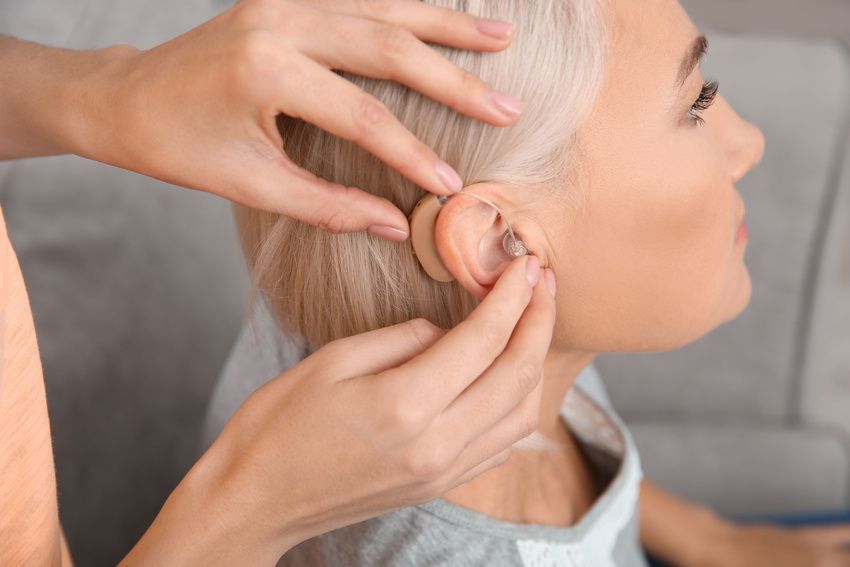
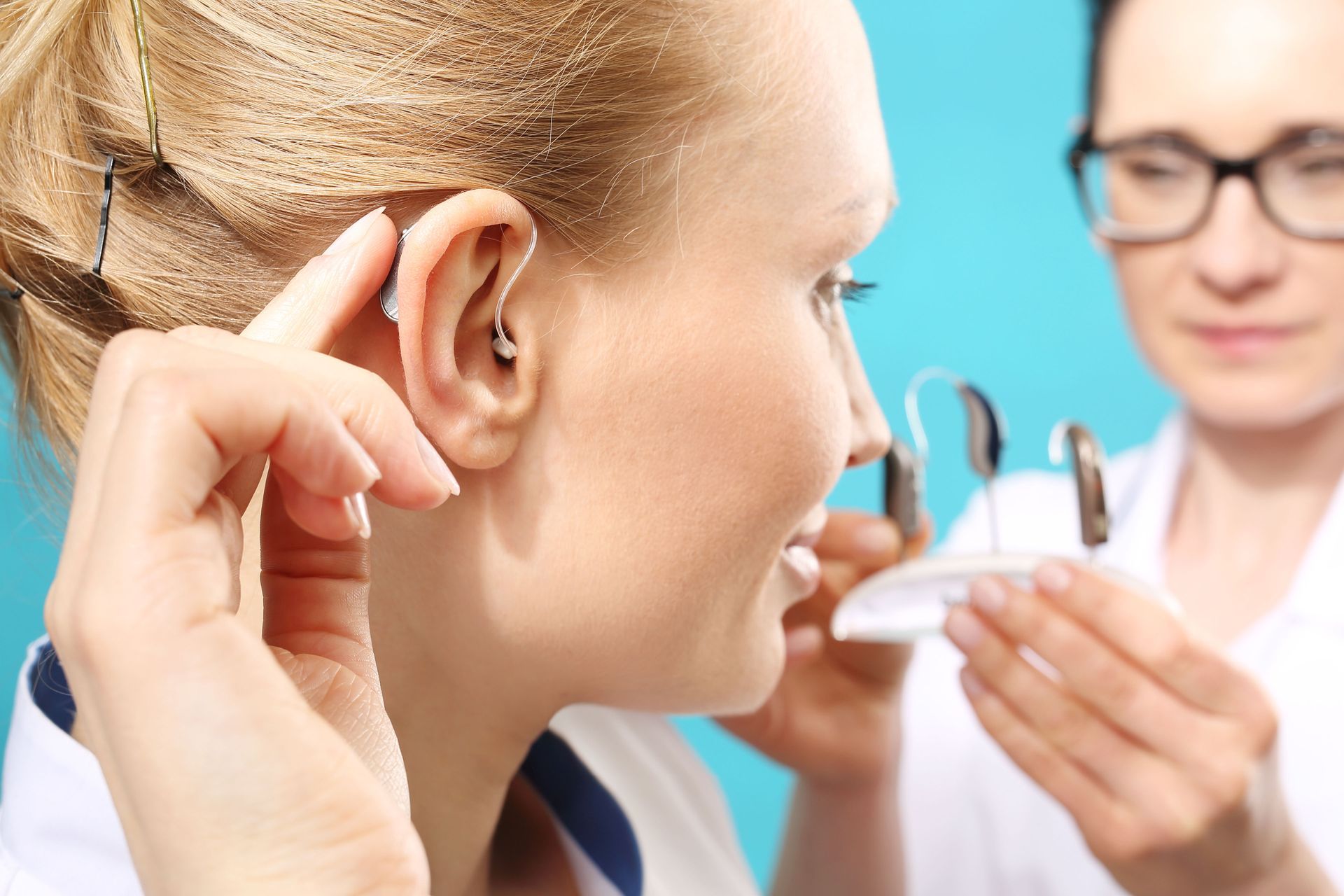
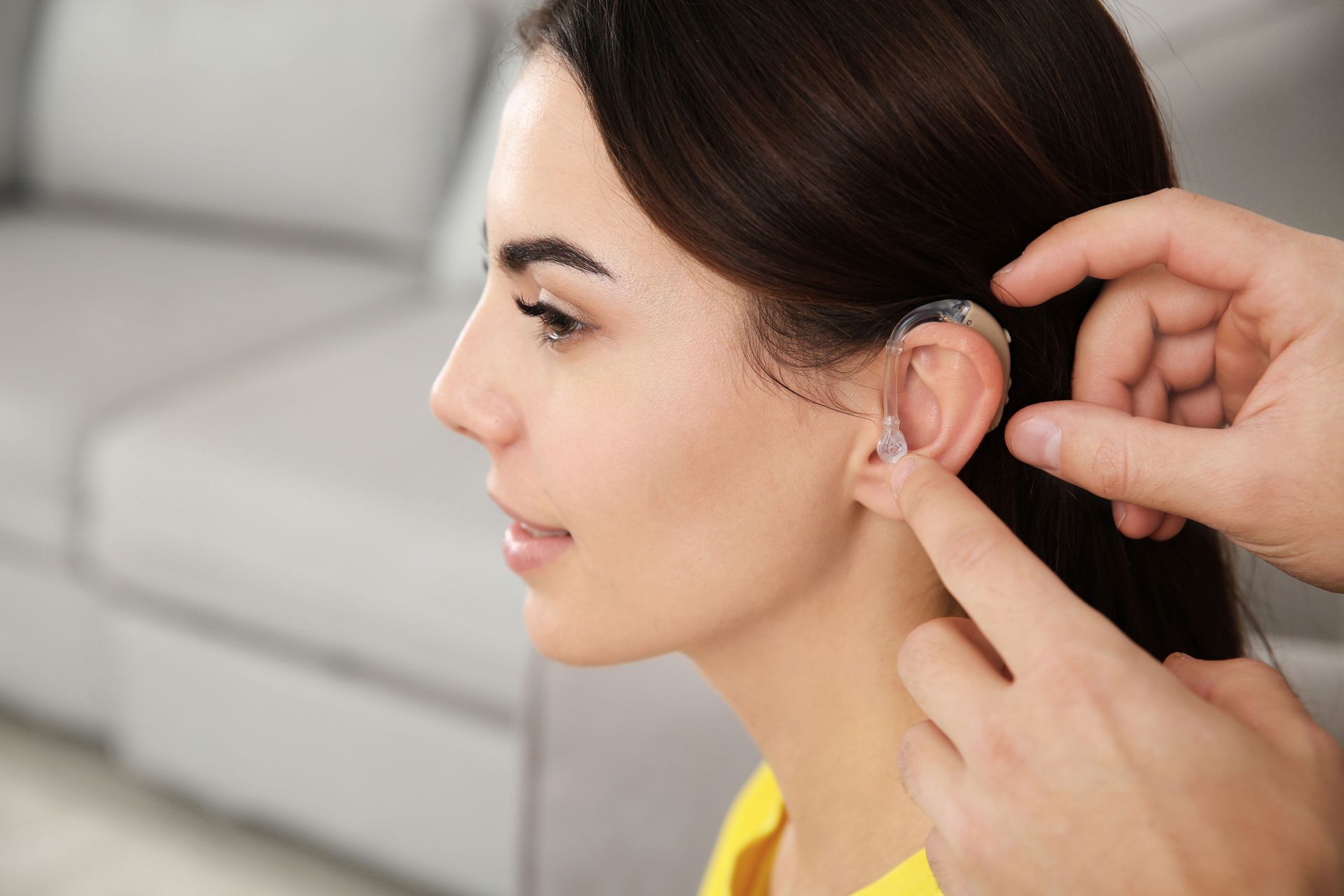
Behind-the-ear (BTE) hearing aids sit behind the ear and connect to an earmold or earpiece inside the ear canal. They accommodate a wide range of hearing loss levels and often include directional microphones and adjustable settings. Their larger size allows room for accessible controls and substantial batteries. Individuals who prioritize durability and additional features may find BTE devices suitable for their needs.
In-the-Ear and In-the-Canal Models
In-the-ear (ITE) hearing aids fit within the outer portion of the ear, while in-the-canal (ITC) models sit partially inside the ear canal. Both styles can be custom-molded for a comfortable fit and provide varying levels of discretion. Depending on the model, they may include volume controls and wireless connectivity. Their smaller designs appeal to people who prefer less noticeable devices, although some models may be difficult to handle for individuals with limited finger mobility.
Completely-in-Canal and Receiver-in-Canal Devices
Completely-in-canal (CIC) hearing aids fit almost entirely inside the ear canal, making them one of the least visible options. Their compact construction can limit available features. Receiver-in-canal (RIC) devices place the receiver inside the ear canal while the main housing rests behind the ear. Many RIC models offer wireless connectivity and advanced sound processing. Comparing these options with a hearing professional helps individuals identify which design best accommodates their needs.
Preparing for the Initial Fitting Process
Evaluating Individual Hearing Needs
Before receiving new hearing aids, individuals typically undergo a comprehensive hearing assessment. An audiologist evaluates hearing ability, identifies the degree of hearing loss, and considers how communication difficulties affect everyday activities. These findings help determine which devices and features may be appropriate. Personal preferences also matter when selecting new hearing aids, including comfort, appearance, connectivity, and daily listening environments.
Completing the Initial Fitting
The first fitting appointment introduces users to their devices and explains how to operate them. An audiologist programs the hearing aids according to the individual's hearing assessment and adjusts amplification levels. Users also learn how to insert, remove, and position their devices correctly. Although familiar sounds may seem different at first, the appointment provides an opportunity to discuss concerns and ask questions.
Fine-Tuning Device Settings
Proper calibration is essential for achieving useful sound quality without unnecessary discomfort. Audiologists adjust amplification across different frequencies to address individual hearing needs. They may also modify volume levels, speech enhancement, and feedback reduction settings. Since listening preferences can change as users become accustomed to their new hearing aids, additional adjustments may be necessary during follow-up appointments.
Scheduling Follow-Up Appointments
Follow-up visits allow audiologists to evaluate how well the devices perform outside the office. Users can describe situations where conversations remain difficult or certain settings feel uncomfortable. The audiologist can use this feedback to make adjustments and address fitting concerns. Consistent professional support helps make the transition more manageable.
Adjusting to New Sounds and Listening Experiences
Recognizing Unfamiliar Sounds
When first wearing new hearing aids, users may notice sounds they have not heard clearly in some time. Everyday noises such as footsteps, running water, rustling leaves, and ticking clocks can suddenly become more noticeable. Although familiar to others, these sounds may initially seem distracting or unusually loud. This occurs as the brain adjusts to receiving sound information that was previously less accessible. The adjustment period varies between individuals, so patience is important.
Building Listening Confidence Gradually
Wearing hearing aids consistently helps the brain become more familiar with amplified sounds. Some individuals benefit from starting with shorter wearing periods before gradually increasing daily use. Practicing conversations in quiet environments can build confidence before moving into more challenging settings. Listening to music, watching television, and participating in small gatherings provide opportunities to become comfortable with the devices.
Managing Background Noise and Discomfort
Busy environments can present challenges during the adjustment period. Restaurants, crowded stores, and public gatherings often contain overlapping conversations and background sounds. Taking occasional breaks, choosing quieter seating areas, and exploring noise reduction settings can help. Hearing protection is also important when exposure to loud sounds is unavoidable. According to the Hearing Loss Association of America, approximately 30 million workers in the U.S. are exposed to noise levels that can lead to permanent hearing damage. Hearing aids help individuals manage hearing loss, but they do not replace appropriate hearing protection.
Monitoring Progress and Identifying Challenges
Keeping track of listening experiences helps users recognize improvements and identify situations that still require attention. Making brief notes about sound clarity, comfort, and communication difficulties gives audiologists useful information during follow-up visits. Sharing these observations helps guide additional adjustments. Progress may happen gradually, so evaluating overall improvements rather than expecting immediate perfection is important.
Establishing Effective Daily Hearing Aid Habits
Following Consistent Care Practices
Proper care helps hearing aids remain functional and comfortable. Users should clean their devices according to manufacturer recommendations, using appropriate tools to remove earwax and debris. Keeping hearing aids away from excessive moisture and heat also protects their components. When not being worn, storing them in a protective case or designated drying container can reduce the risk of damage.
Managing Batteries and Charging
Understanding the power requirements of hearing aids helps prevent interruptions during important activities. Disposable battery models require regular replacements, while rechargeable devices need consistent charging. Users should become familiar with their device's battery indicators and recommended charging procedures. Establishing a predictable routine makes daily use more convenient.
Resolving Common Operating Issues
Users may occasionally encounter feedback, muffled sound, static, or connectivity problems. Checking that hearing aids are positioned correctly, cleaning the microphones, and inspecting battery levels can resolve minor issues. However, persistent problems may indicate a blockage, damaged component, or programming concern that requires professional attention. Users should consult their audiologist rather than attempt complicated repairs independently.
Adapting to Different Listening Environments
Hearing needs vary between home, work, social gatherings, and outdoor activities. Some new hearing aids automatically adjust their settings based on surrounding sounds, while others allow users to select different listening programs. An audiologist can explain available features and help determine when manual adjustments may be beneficial.
Building Support for Long-Term Hearing Success
Communicating With Family and Friends
Family members and friends can make the adjustment process easier. Explaining the experience of adapting to hearing aids helps loved ones understand why certain conversations may still be challenging. They can support communication by speaking clearly, facing the listener, and reducing background noise. Inviting family members to an audiology appointment may also help them understand what adjustments to expect.
Exploring Modern Connectivity Features
Many newer hearing aids include Bluetooth connectivity that allows users to stream phone calls, music, and other audio directly from compatible devices. Smartphone applications may provide convenient controls for adjusting volume, switching listening programs, and checking battery levels. Some models also support television streamers or remote programming. Learning to use these features can make everyday activities more accessible.
Maintaining Realistic Expectations
Although hearing aids can improve access to sound, they do not restore hearing to its original condition or eliminate every communication challenge. Some environments may remain difficult, and users may need time to become comfortable with different features. Consistent wear, routine care, and professional adjustments contribute to a more successful experience. Recognizing gradual improvements and communicating concerns openly helps individuals maintain realistic expectations.
Transitioning to new hearing aids involves more than selecting a device. Understanding available styles, attending fitting appointments, and practicing consistent use contribute to a smoother adjustment. With patience and professional guidance, individuals can become more comfortable with their hearing technology and participate more confidently in everyday conversations. Chappell Hearing Care Centers can help individuals explore their options and find hearing solutions that support their communication needs. Scheduling a professional hearing evaluation is a helpful first step toward a more connected listening experience.