November 25, 2026
Many individuals do not notice hearing changes until everyday conversations begin to sound muffled or indistinct. High-frequency sounds, such as children speaking or birds singing, often disappear first after prolonged exposure to loud sound environments. An audiometry test provides an objective, accurate evaluation that pinpoints exact listening thresholds across various sound pitches. This clinical evaluation allows a hearing care professional to identify early acoustic strain before everyday communication becomes significantly compromised.
The Mechanics of High-Frequency Noise Damage
Human ears contain thousands of delicate sensory hair cells within the cochlea, which is the fluid-filled organ responsible for translating mechanical vibrations into electrical signals. These microscopic cells do not regenerate once destroyed. Sensory cells located near the base of the cochlea register higher frequencies, whereas cells toward the tip process deeper, lower tones.
Because acoustic waves enter the base first, those base hair cells absorb the direct mechanical force of incoming sound pressure. Prolonged exposure to loud machinery, recreation, or music over 85 decibels damages these delicate structures. The damage rarely happens all at once; instead, acoustic overexposure causes cumulative wear. The resulting condition, known clinically as noise-induced hearing loss, primarily diminishes the perception of sounds in the 3,000 Hertz to 6,000 Hertz range while leaving lower frequencies relatively intact.
People experiencing this specific pattern often say they can hear that someone is speaking, but cannot distinguish what is being said. High-frequency consonants, including s, f, th, and sh, carry the clarity of human speech. Without those frequencies, words run together, and background noise in restaurants or public spaces makes conversations difficult to follow.
The Evaluation Process During a Clinical Hearing Test
A formal hearing evaluation takes place in a quiet, sound-treated room designed to isolate outside noise. A hearing care professional uses a calibrated device called an audiometer to deliver specific tones at controlled decibel levels to each ear independently.
During the session, the patient wears insert earphones or fitted headphones. An audiometry test presents single pure tones across frequencies from 250 Hertz up to 8,000 Hertz. The patient responds with a hand signal or button press whenever a tone becomes detectable. The quietest volume a person hears at each pitch represents their hearing threshold for that frequency.
The evaluation incorporates three essential testing components:
- Air conduction testing, which assesses how sound travels through the outer ear canal, middle ear bones, and inner ear.
- Bone conduction testing, which bypasses the eardrum via an oscillator on the mastoid bone to test cochlear function directly.
- Speech recognition testing, which evaluates how accurately words are recognized at comfortable listening volumes.
Comparing air conduction thresholds with bone conduction thresholds allows the professional to determine whether the issue originates in the inner ear or stems from an obstruction in the middle ear. Noise trauma damages inner-ear hair cells, producing a distinct pattern on the resulting chart.
Reading the Diagnostic Acoustic Notch on an Audiogram
The data recorded during an audiometry test appears on an audiogram, which is a standardized graph displaying frequency along the horizontal axis and volume along the vertical axis. Frequency increases from left to right, moving from 125 Hertz up to 8,000 Hertz. Intensity appears vertically, measured in decibels from negative 10 decibels down to 120 decibels. Normal hearing thresholds sit between zero decibels and 25 decibels.
Noise damage produces a distinctive visual signature on an audiogram known as an acoustic notch. Instead of a flat decline across all pitches, the graph shows normal or near-normal thresholds from 250 Hertz through 2,000 Hertz, followed by a sharp drop at 3,000 Hertz, 4,000 Hertz, or 6,000 Hertz. Thresholds often recover slightly at 8,000 Hertz, creating a distinct "V" or "U" shaped dip.
This dip is characteristic of acoustic injury. Age-related changes tend to create a gradual downward slope across all upper frequencies without the sharp 4,000 Hertz recovery. Finding an acoustic notch confirms that occupational noise, power equipment, recreational shooting, or high-volume sound caused the impairment.
Demographics and Vulnerability Factors in Auditory Health
Acoustic damage affects people across many demographics, yet statistical patterns show clear differences in exposure rates and outcomes. Occupations involving manufacturing, construction, landscaping, transportation, and agriculture frequently involve continuous equipment sound that exceeds safe limits.
According to NIH.gov, men are almost twice as likely as women to have hearing loss among adults ages 20-69. Much of this statistical variation relates to historical occupational choices and recreational habits that carry higher risks of noise exposure, such as hunting or operating heavy equipment without adequate hearing protection.
Age also interacts with noise damage. A person exposed to loud tools in their twenties might not experience daily communication trouble right away because their overall auditory reserve remains strong. However, as normal biological changes occur later in life, the combined loss becomes more noticeable. Early detection through an audiometry test identifies shifts before they lead to isolation or social fatigue.
Signs That Indicate It Is Time for an Evaluation
Noise damage occurs gradually, which is why many people wait years before scheduling an evaluation. Recognizing early warning signs helps protect remaining hearing and improves long-term communication comfort.
Common signs of high-frequency hearing loss include:
- Asking family members, coworkers, or friends to repeat themselves, especially in group conversations.
- Turning television or radio volume higher than other people in the room prefer.
- Experiencing ringing, buzzing, or hissing in the ears, which is known clinically as tinnitus.
- Feeling mentally exhausted after social gatherings due to the continuous cognitive effort needed to follow conversations.
- Misunderstanding consonant sounds, such as confusing the words "cat," "hat," and "pat."
Ignoring these signs can lead individuals to avoid social gatherings, which may create a sense of withdrawal. Scheduling a clinical assessment provides clarity and removes uncertainty.
Professional Intervention Options for Noise Damage
Because destroyed sensory hair cells do not grow back, hearing loss caused by noise is permanent. However, modern hearing technology provides effective options to restore communication clarity and ease daily listening.
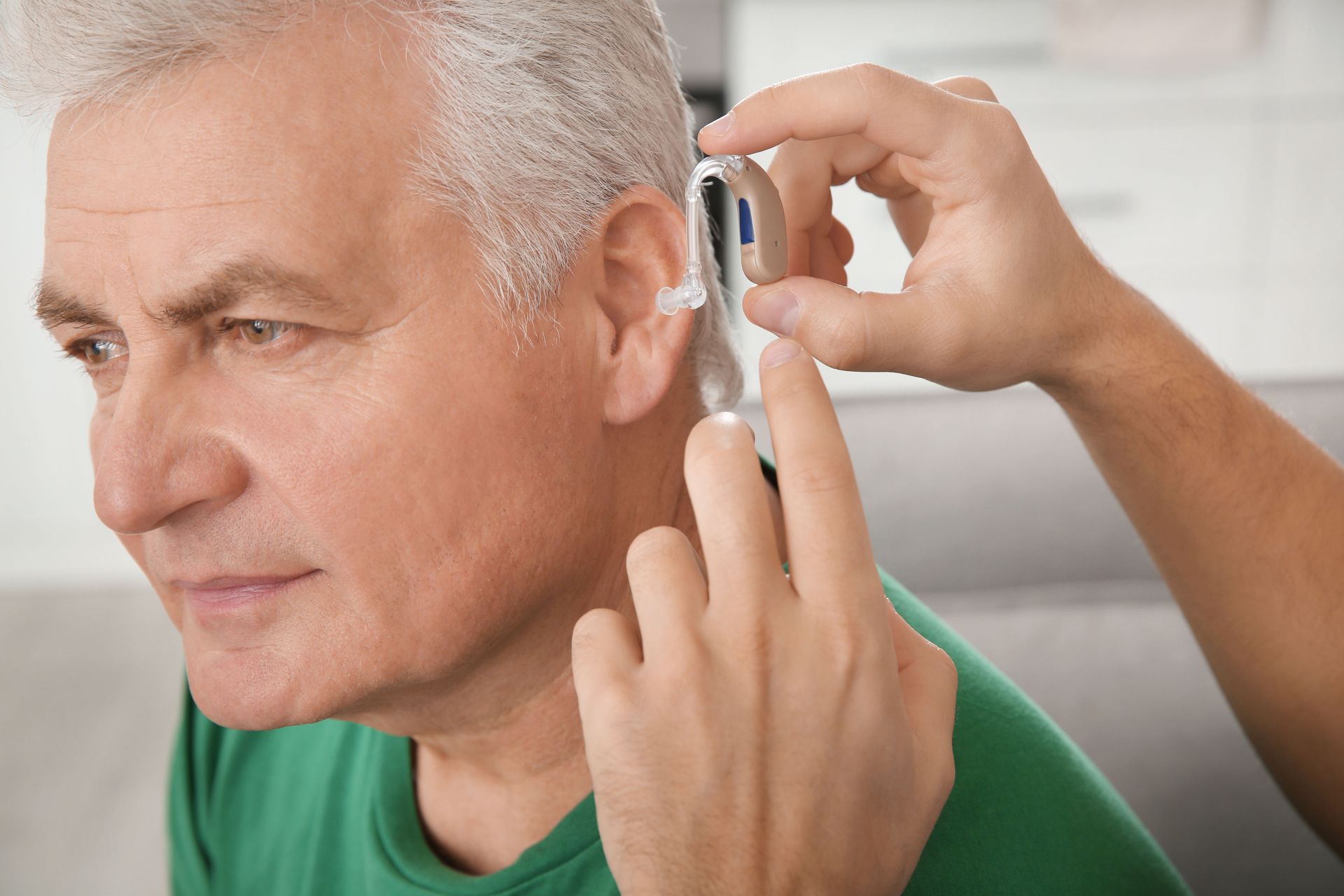
Following a thorough evaluation, a hearing care professional can recommend personalized solutions based on the patient's audiometric profile:
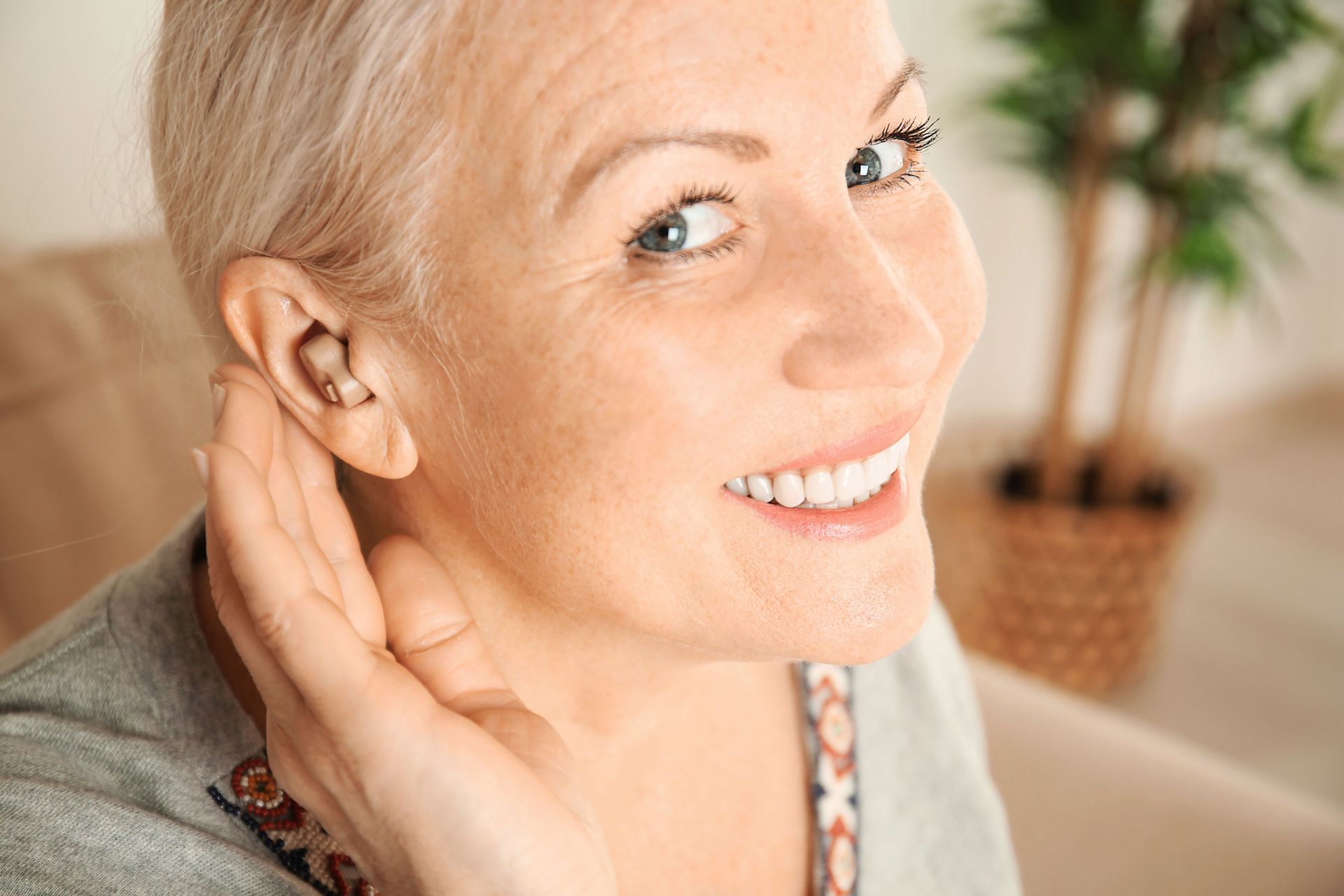
- Digital hearing aids: Contemporary instruments can be programmed to amplify only the specific pitches where damage has occurred. If an audiogram shows a notch at 4,000 Hertz, the device applies targeted gain to that exact band while leaving normal lower frequencies untouched, preserving natural voice quality.
- Tinnitus management features: Many digital hearing devices include sound therapy generators that deliver soothing sounds, helping the brain filter out persistent ear ringing.
- Custom earmolds and hearing protection: For individuals who continue to work or spend time around high decibel levels, custom-molded earplugs protect remaining hearing while maintaining comfortable sound fidelity.
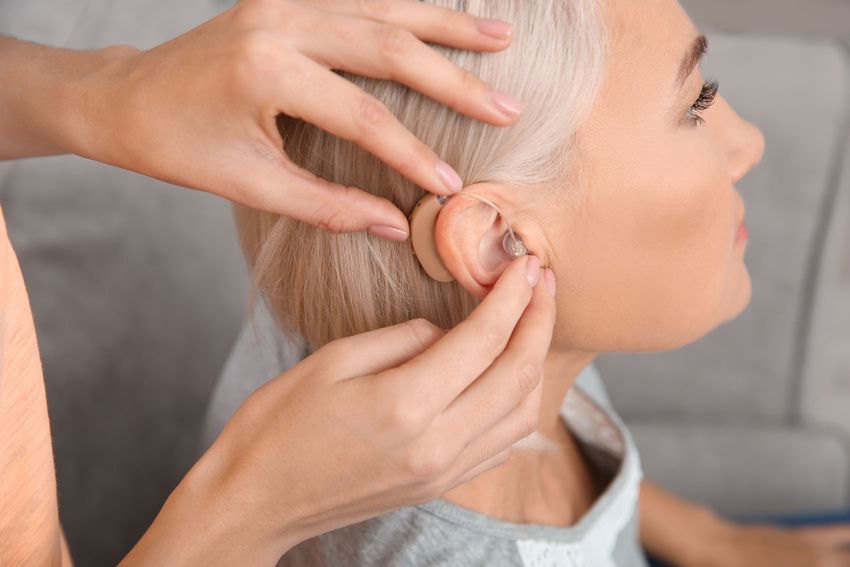
- Professional device maintenance: Ongoing follow-up care, fitting adjustments, and hearing aid repairs verify that instruments perform properly and adapt to changing personal needs over time.
Relying on over-the-counter amplifiers or unverified personal adjustments cannot replace a clinical fitting. High-frequency loss requires precise frequency programming so loud sounds do not become uncomfortable while soft consonant sounds become audible once again.
Taking Action for Your Auditory Health
High-frequency noise damage develops quietly, but an audiometry test provides clear, actionable answers about how your auditory system is functioning. Identifying the characteristic acoustic notch early allows you to take proactive steps to protect your hearing, explore customized amplification, and preserve your ability to engage fully with family, friends, and colleagues. If you have noticed difficulty following conversations or suspect past noise exposure has affected your ears, contact Chappell Hearing Care Centers to schedule a comprehensive evaluation.