May 18, 2026
High-noise work environments are prevalent across many industries, including manufacturing, construction, and transport. Consistent exposure to loud noises poses significant risks to workers’ hearing health, often resulting in Noise-Induced Hearing Loss (NIHL). The impact of these environments is increasingly being recognized, with hearing aids emerging as pivotal tools in managing and mitigating hearing damage among workers. Given their ability to enhance sound clarity and protect against further hearing loss, hearing aids provide a critical solution in safeguarding the auditory health of affected workers. This article explores the consequences of high-noise exposure, the role of hearing aids in managing these impacts, and the broader implications on workplace safety and productivity.
The Impact of High-Noise on Hearing Health
Understanding Noise-Induced Hearing Loss (NIHL)
Noise-Induced Hearing Loss (NIHL) is a chronic and often irreversible condition resulting from prolonged exposure to excessive sound levels. It commonly occurs in workplaces where machinery and processes generate persistently high noise. Exposure to sounds above 85 decibels over extended periods causes damage to the hair cells in the inner ear, resulting in hearing deterioration. Given that hearing loss accumulates over time, it typically progresses unnoticed until communication difficulties become apparent. Employers are increasingly required to address the risks of NIHL by implementing adequate protective measures and hearing conservation programs.
Recognizing the Early Signs of Hearing Damage
Early intervention is key in preventing permanent hearing loss. Workers should be vigilant about identifying signs such as tinnitus, difficulty in understanding speech, and the need to increase volume levels on devices. These symptoms, often dismissed as minor inconveniences, serve as important indicators of potential damage. Regular hearing checks and employee education programs can facilitate early detection and prompt corrective action. Employers should encourage a culture that prioritizes auditory health, reducing the overall burden of hearing impairment.
Examining Statistics on Hearing Loss in High-Noise Occupations
Hearing loss is a significant occupational hazard, particularly in industries prevalent with loud noise exposure. Nearly 30 million workers in the U.S. are exposed to noise levels that can lead to hearing damage, according to the Hearing Loss Association of America. This staggering figure highlights the widespread nature of auditory risks, underscoring the necessity for proactive measures. Industries such as manufacturing, agriculture, and construction are notably affected, with employees frequently reporting symptoms indicative of hearing loss. Consequently, there is a pressing need for widespread implementation of effective hearing conservation methods.
The Role of Hearing Aids in Noise Management
Understanding the Technology Behind Hearing Aids
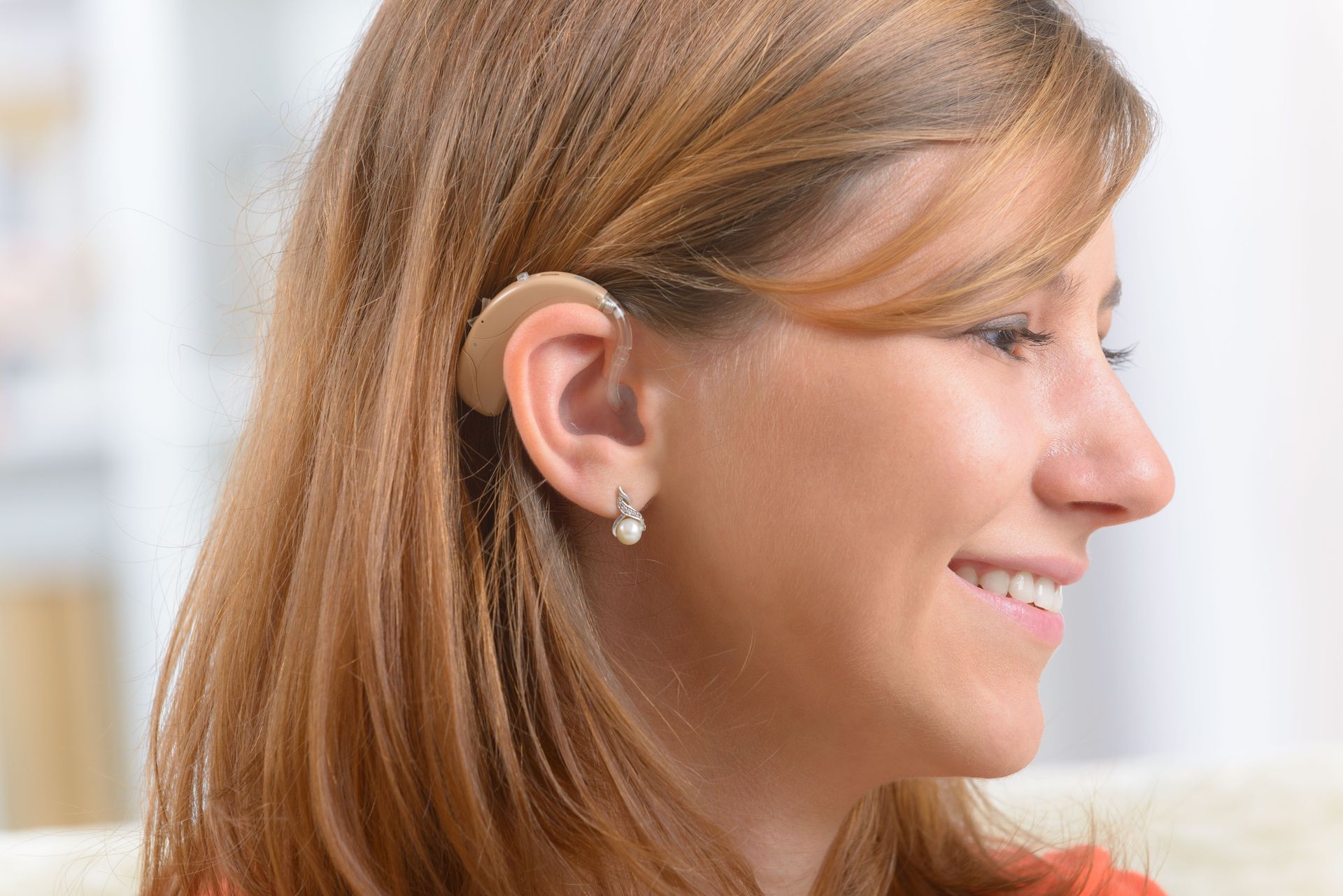
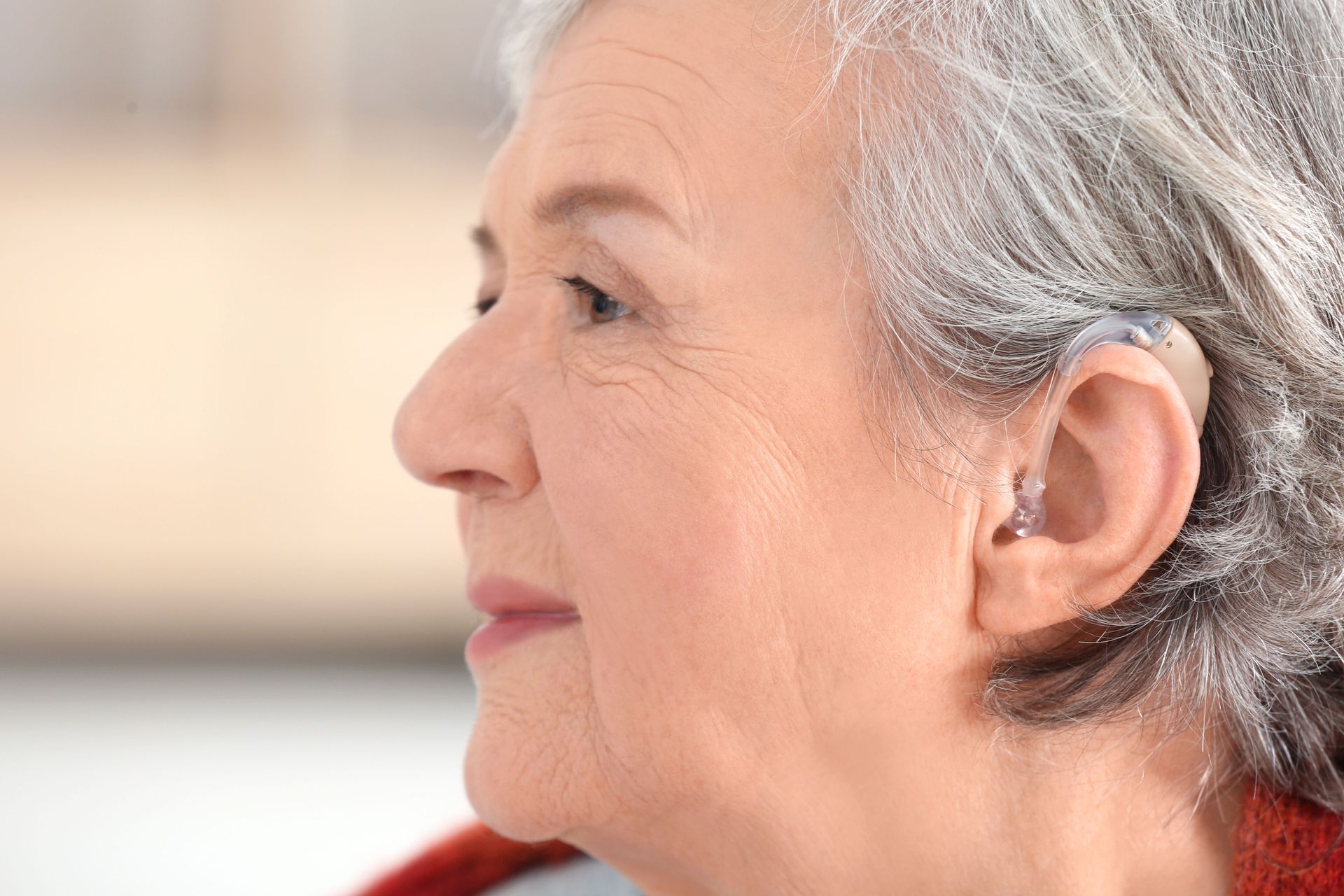
The advancement in hearing aid technology has transformed them into sophisticated devices capable of vastly improving auditory experiences. Modern hearing aids utilize digital signal processing to selectively amplify sounds, rendering speech more intelligible while dampening background noises. Features such as directional microphones and noise reduction algorithms further enhance sound quality and user comfort. These technological innovations enable individuals with hearing loss to engage more effectively with their environment. The proactive integration of hearing aids thus ensures that workers in high-noise settings are better equipped to manage auditory challenges.
Exploring Adaptive Features of Modern Hearing Aids
Modern hearing aids are equipped with adaptive features that enhance listening experiences in dynamic environments. Automatic environment detection systems allow aids to adjust sound settings based on ambient noise levels, optimizing performance. Connectivity features facilitate seamless integration with smartphones and other electronic devices, enabling precise control and personalization. These user-friendly attributes encourage consistent usage among workers, providing a continuous barrier against noise-induced damage. Employers can leverage these technologies to enhance worker safety and communication capabilities.
Maximizing Communication Benefits With Hearing Aids
Effective communication is essential for workplace productivity and safety, particularly in noisy settings. Hearing aids significantly enhance communication by improving the clarity of spoken words, thus reducing the likelihood of misunderstandings. Through providers like Chappell Hearing Care Centers, workers can access customized hearing solutions that support clearer communication in demanding environments. Workers equipped with hearing aids experience enhanced interaction with colleagues and supervisors, fostering better workplace relationships. Improved communication flow contributes to higher morale and underscores the importance of inclusivity. Therefore, promoting the use of hearing aids is integral to ensuring a cohesive, efficient work environment.
Regulatory Standards and Workplace Safety
Complying With OSHA Regulations
The Occupational Safety and Health Administration (OSHA) mandates specific regulations to control occupational noise exposure. Employers are required to implement a hearing conservation program when noise levels exceed 85 decibels over an eight-hour shift. These programs involve regular hearing assessments, provision of protective equipment, and employee education. Compliance ensures that necessary measures are in place to prevent noise-induced hearing damage. Enforcement of these regulations plays a vital role in safeguarding worker health and maintaining industry standards.
Exploring Advancements in Personal Protective Equipment (PPE)
The development of advanced personal protective equipment (PPE) reflects a critical shift in managing workplace noise exposure. Innovations in noise-canceling headphones, combined with hearing aids, provide enhanced auditory protection without compromising communication abilities. Modern PPE designs focus on user comfort and functionality to ensure compliance and effectiveness. These advancements represent a proactive approach to hearing protection, reducing the potential for long-term hearing damage. Personalized PPE solutions offer employers greater flexibility in protecting diverse workforce needs.
Improving Compliance Through Education
Education plays a pivotal role in promoting compliance with safety standards and hearing conservation efforts. Providing employees with knowledge about the risks of noise exposure and the benefits of hearing protection empowers informed decision-making. Training sessions, informational resources, and ongoing support foster a workplace culture sensitive to auditory health needs. Encouraging active participation in hearing conservation programs generates awareness and mitigates risk factors associated with noise exposure. Consequently, education serves as an essential tool in enhancing compliance and promoting safer work environments.
Economic Advantages of Using Hearing Aids in the Workplace
Reducing Absenteeism Related to Hearing Issues
Hearing aids present a strategic solution for reducing absenteeism caused by hearing-related issues in the workplace. Communication challenges often lead to misunderstandings, delays, and missed deadlines, deterring productivity and increasing worker frustration. By facilitating better hearing, aids can improve employee confidence and engagement, translating to lower dropout rates and more consistent attendance. Employers investing in hearing aids can significantly minimize the frequency and duration of hearing-related absences. This commitment to employee health ultimately reinforces sustained organizational performance.
Building Investment Versus Long-Term Savings
Investing in hearing aids may appear costly initially; however, the long-term savings are substantial. Addressing hearing loss early prevents escalating health complications, evading higher healthcare and litigation costs. Moreover, improved employee performance and reduced absenteeism translate to financial savings on operational and labor inefficiencies. Employers should view investment in hearing care as a strategic move towards enhancing company resilience and sustainability. Through protective measures, organizations stand to gain significant returns on investment, underscoring the value of prioritizing auditory health.
Evaluating Insurance and Funding Options for Hearing Aids
Financial support for hearing aids can alleviate the cost burden on employees and employers. Various insurance policies offer partial or full coverage for hearing aids, although coverage varies among providers and plans. Employers may negotiate benefits packages that include hearing aid funding and partnerships with audiologists to provide affordable options. Additionally, governmental grants or subsidies could further support hearing health initiatives. Ensuring accessibility to hearing aids aligns with organizational inclusivity objectives, reinforcing a comprehensive approach to health care.
Hearing aids play an indispensable role in preserving and enhancing hearing health in high-noise work environments. The importance of integrating hearing aids within workplace safety protocols is underscored by their ability to prevent hearing loss, alleviate communication barriers, and support overall employee well-being. As technological advancements reshape hearing protection, individuals and organizations alike benefit from safer, more inclusive, and efficient workplaces. It is imperative that employers, employees, and policymakers commit to prioritizing auditory health and embrace innovative solutions to protect workers against the adverse effects of occupational noise. Protecting hearing is not just a regulatory requirement but a fundamental responsibility to ensure a productive and healthy workforce.